Hello Readers,
I am Rose Nguyen, and my teammate Donald and I are both MBA students at Chapman University in the USA. Along with our professor, Niklas, and our fellow MBA classmates, we are participating in a study abroad course at Campus Skellefteå University Alliance today on June 1, 2026. During our visit, we learned about how we can adapt and prepare for the future of education in a rapidly changing world.
Technology is changing faster than ever. In the past, it took 75 years for the telephone to reach many people, 38 years for radio, 13 years for television, and only 4 years for the Internet. More recently, Pokémon Go reached millions of users in just 19 days. This shows how quickly new innovations can spread and influence society today.
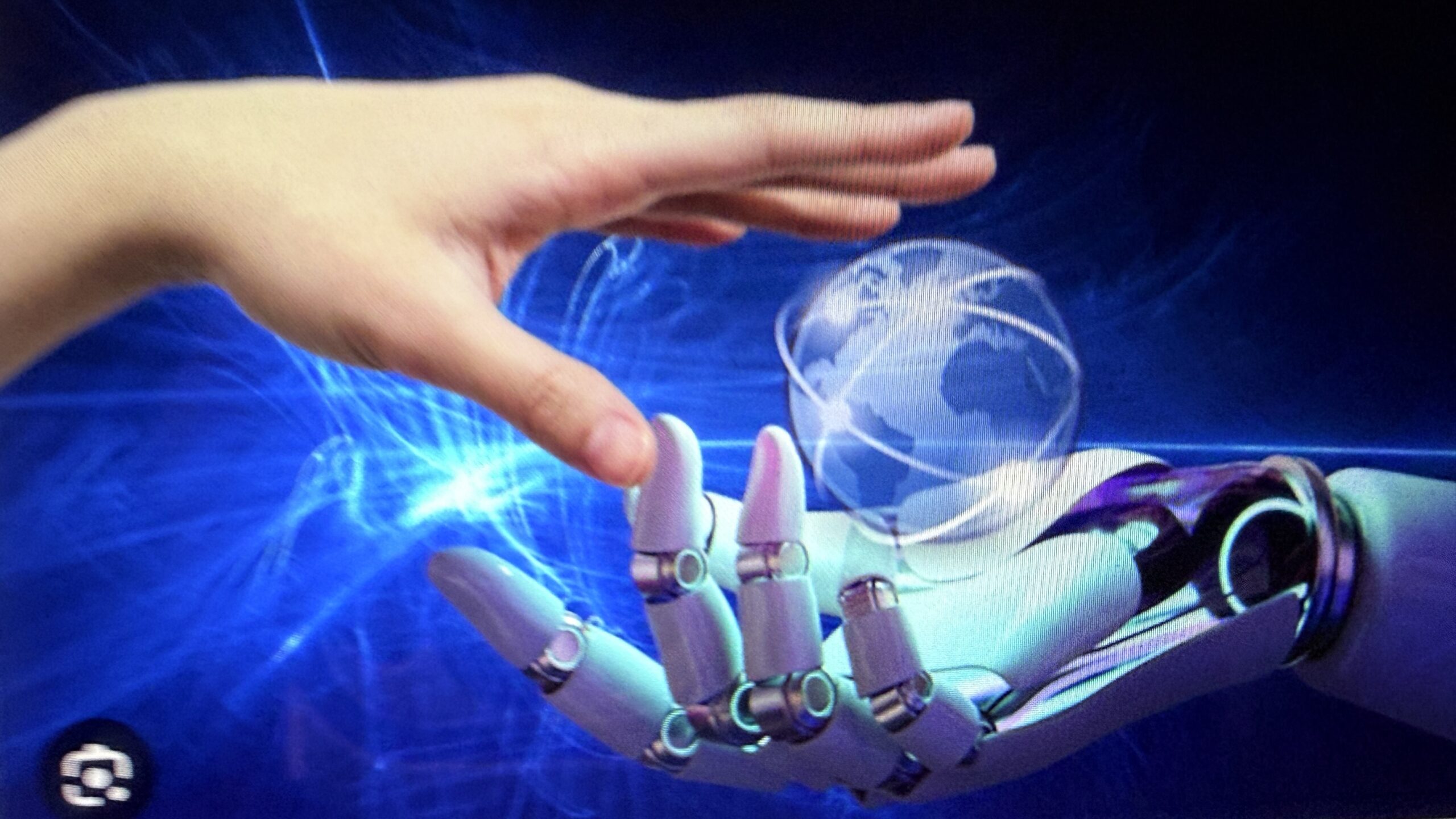
At Campus University Skellefteå, we learned that the future will be shaped by rapid technological development, artificial intelligence, automation, and digital transformation. Looking back, technology has changed the way people communicate, work, and learn. Looking forward, the next 50 years may bring even greater changes, including smarter AI, advanced robotics, and new ways of living and working.
To prepare for the future, students need to develop both technical and human skills. Learning about digital tools, data analysis, artificial intelligence, communication, creativity, and problem-solving will be essential. Being adaptable and willing to learn throughout life will help people succeed in a world where technology continues to evolve.
ChatGPT and other AI tools can be very helpful in education and business. They can support research, improve productivity, generate ideas, and assist with learning. Schools should consider using AI responsibly as a learning tool rather than a replacement for critical thinking. By combining technology with human knowledge, students can become better prepared for the opportunities and challenges of the future.