How Scandinavian Technology Hasn’t Ditched its Work Force
SAAB and Volvo are two of Sweden’s most storied companies with rich histories and reputations as industry leaders within their fields. We had the honor of touring these facilities to see the manufacturing process for both electric trucks and fighter jets. While there is definitely a major difference in the process of putting together a $100,000 truck and a $100,000,000 fighter jet, the high-tech factories shared one aspect in common; they both primarily relied on human labor over robotics.
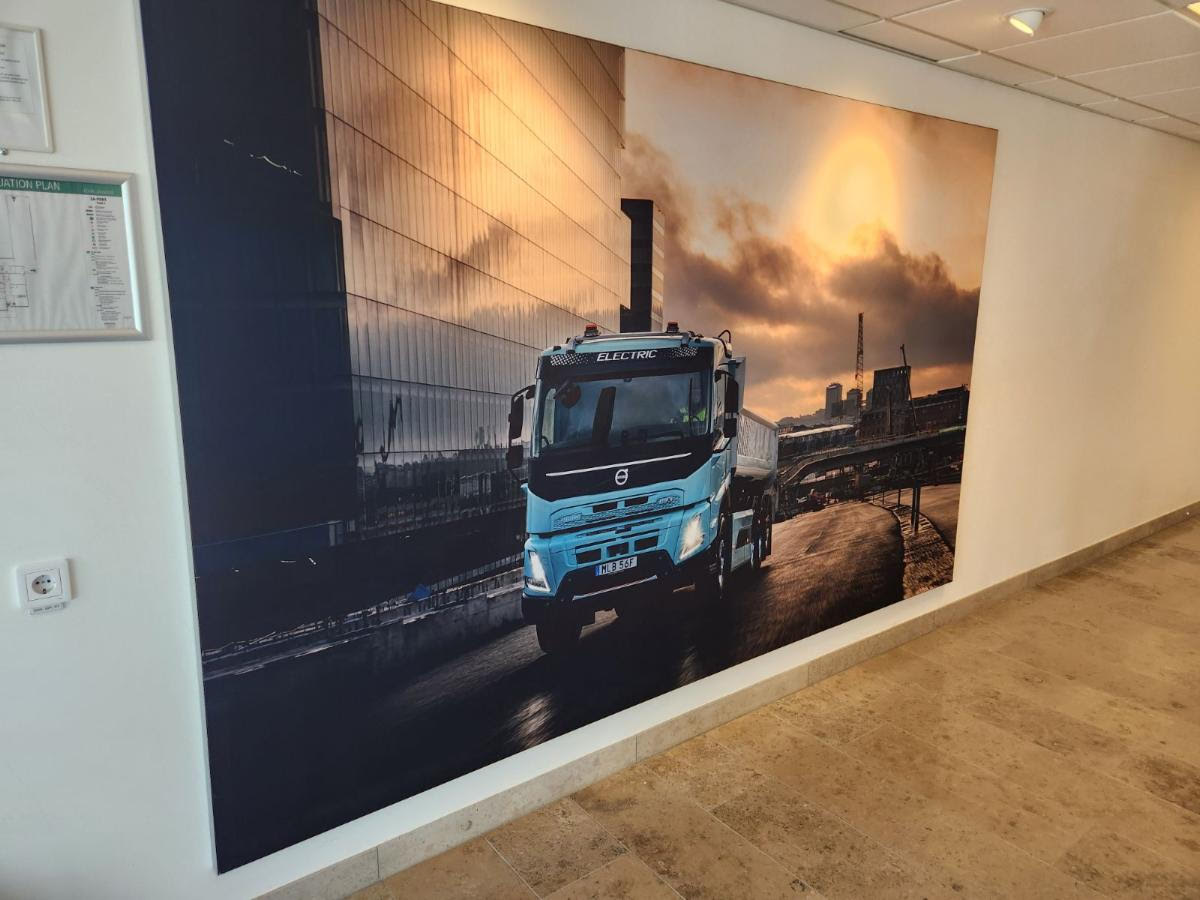
Volvo had an evermoving chain of production lines with manufacturers along the sides to complete tasks. Each station specialized in a specific step in the process and collectively would put together an entire Volvo truck from scratch to the road in less than a day. Being an industry leader who puts out a capacity of about 60 trucks per day you may assume the company would rely heavily on the consistency of robotics. Well in Volvo’s case they choose to use technology to help make the process easier for their workers rather than using it to phase them out. These innovations help create a consistent flow of work that is perfected by the talents and skills of the employees.
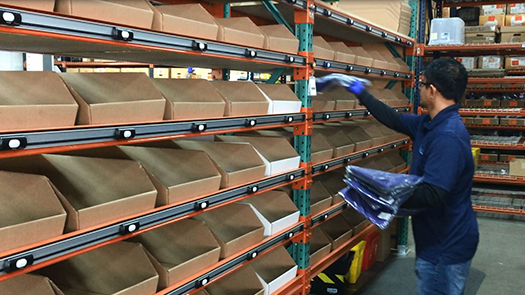
One of Volvo’s most intriguing innovations was the “parts by light” system for customizations. With each vehicle being uniquely ordered for each customer’s needs, it becomes essential for employees to accurately and quickly grab the different parts. Without a well organized system, this process could result in missing parts regularly and a slow process of gathering while double checking order accuracy. Volvo uses a system where the parts are all sorted into crates and above each of these crates is a bulb. When an order comes in, the bulbs above crates that contain the correct parts will light up. The employee can then grab the part and hit the light thus swiftly fulfilling the order. This system shows the brilliance of mixing technology with human labor to effectively improve a complex manufacturing process.
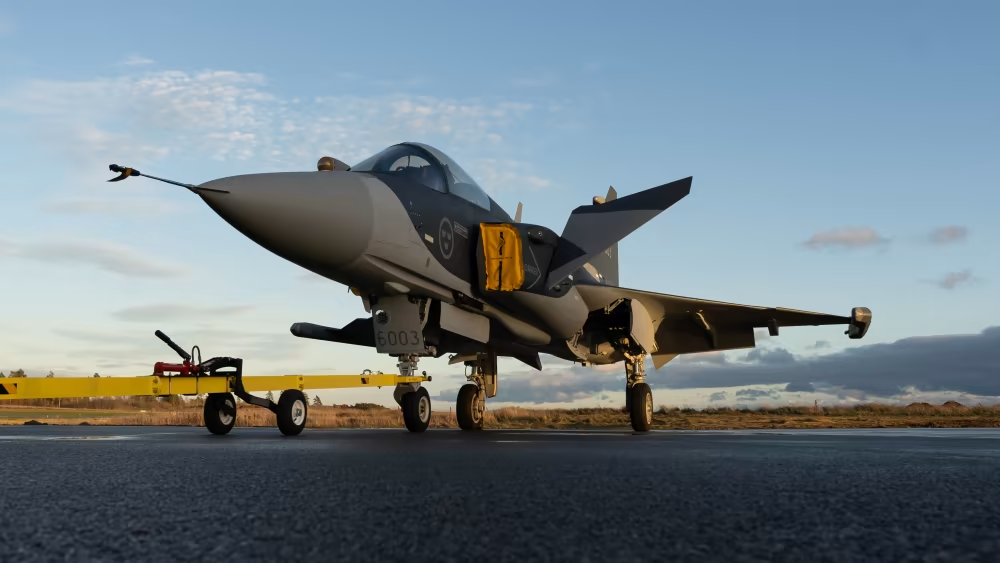
Not surprisingly, it takes a bit longer for SAAB to manufacture the world’s most high-tech fighter jets. With an average manufacturing time of 6 months per plane, SAAB relies on a system that establishes stations which specific specializations. Unlike Volvo, this is static and each plane will move from station to station only once ready. The main section we got to view was the wiring station. This is where the internal components are connected with electoral wiring to ensure all parts worked together. Each plane will use about 35 kilometers of wiring which is a little less than 22 miles. While some parts of the manufacturing may potentially be quicker with the use of robotics, SAAB chooses to rely on the skill of its employees to ensure each component is perfected.

When asked if they plan on moving towards more automation in their assembly, our Volvo tour guide told us no. They want to continue leaning towards innovations in the process to assist workers rather than replace them. While we think this mentality is great for creating jobs to the local population, it is difficult to imagine that advances in technology plus growth in competition will not push them in this direction. For now, SAAB and Volvo remain a beacon for the Swedish economy and a great example of both innovation and sustainability.