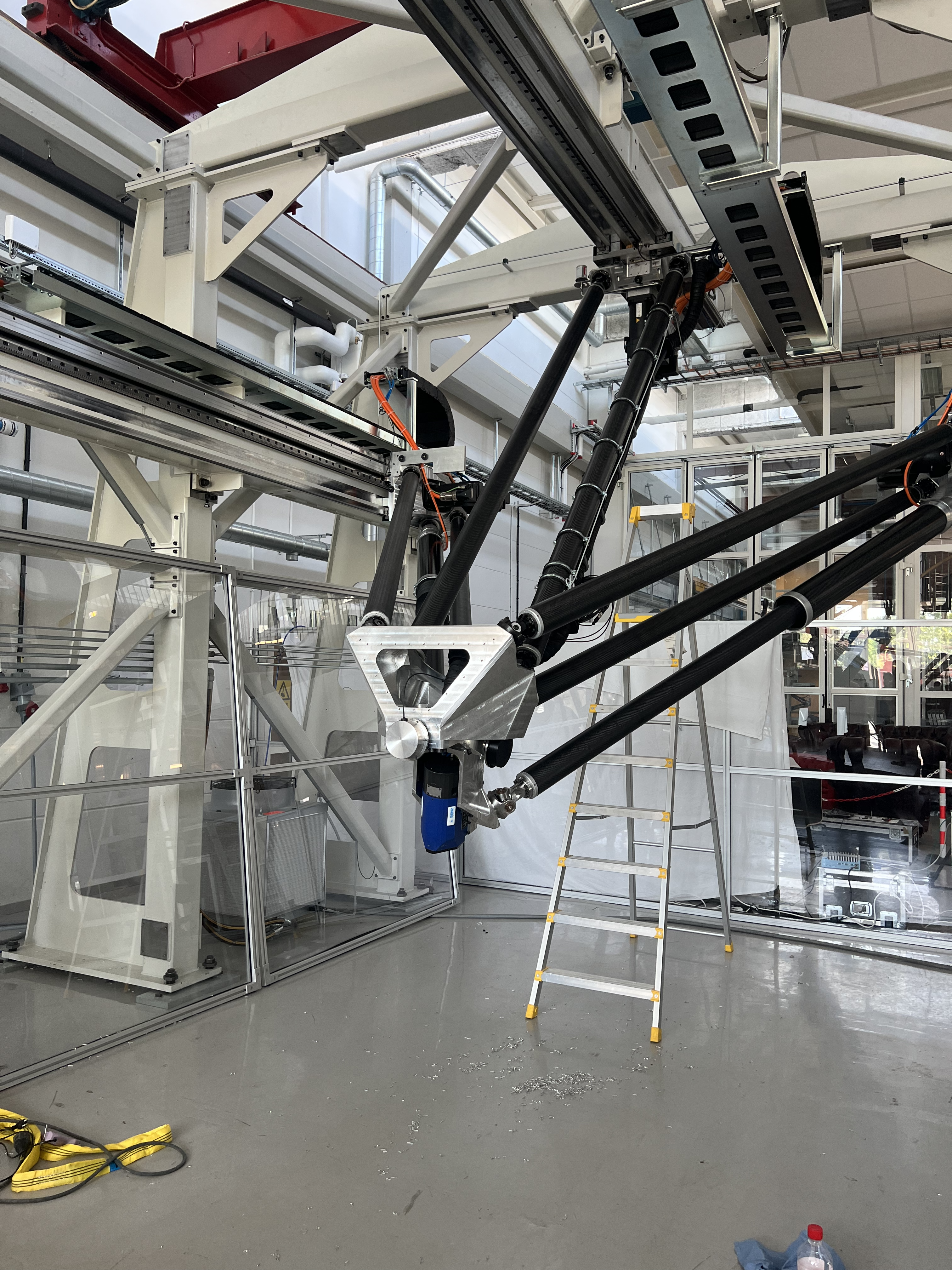
Before visiting the businesses in Copenhagen, we made a quick trip outside of Denmark’s capital into the city of Lund. There, we explored the university, the Vattenhallen Business Center, and the robotics lab with Klaus Nilsson. He provided great insight as an electrical and mechanical engineer with years of experience. The first robots they designed were pick-and-place assembly robots, which resemble robotic arms. These are especially useful in the automotive industry. Having acquired venture capital, they are now able to work on much larger robots, such as the milling machine that can be seen in their lab taking up the most space. He described it as a parallel pneumatic milling machine that has five axes of motion. While the visit mainly consisted of the construction and engineering processes, there was a brief conversation about patent law. When they invent something, they will have to make sure it is patented to prevent anyone from taking their designs. Alternatively, they can keep their computer programming or optimization algorithms a trade secret, but then they have to put their trust in the people who work in the lab. Similar to Saab, they are faced with restrictions when it comes to whom they can sell these machines. Specifically, they cannot allow their robotics or research to end up in China, although they can invite people from China to the lab and sell to Chinese people elsewhere.
As we made our way from the university, we quickly stopped at a probiotics center. The presenter provided a healthy tidbit of insight into the benefits of probiotics. The market for it has been growing back at home, and it was interesting to hear about the different types.
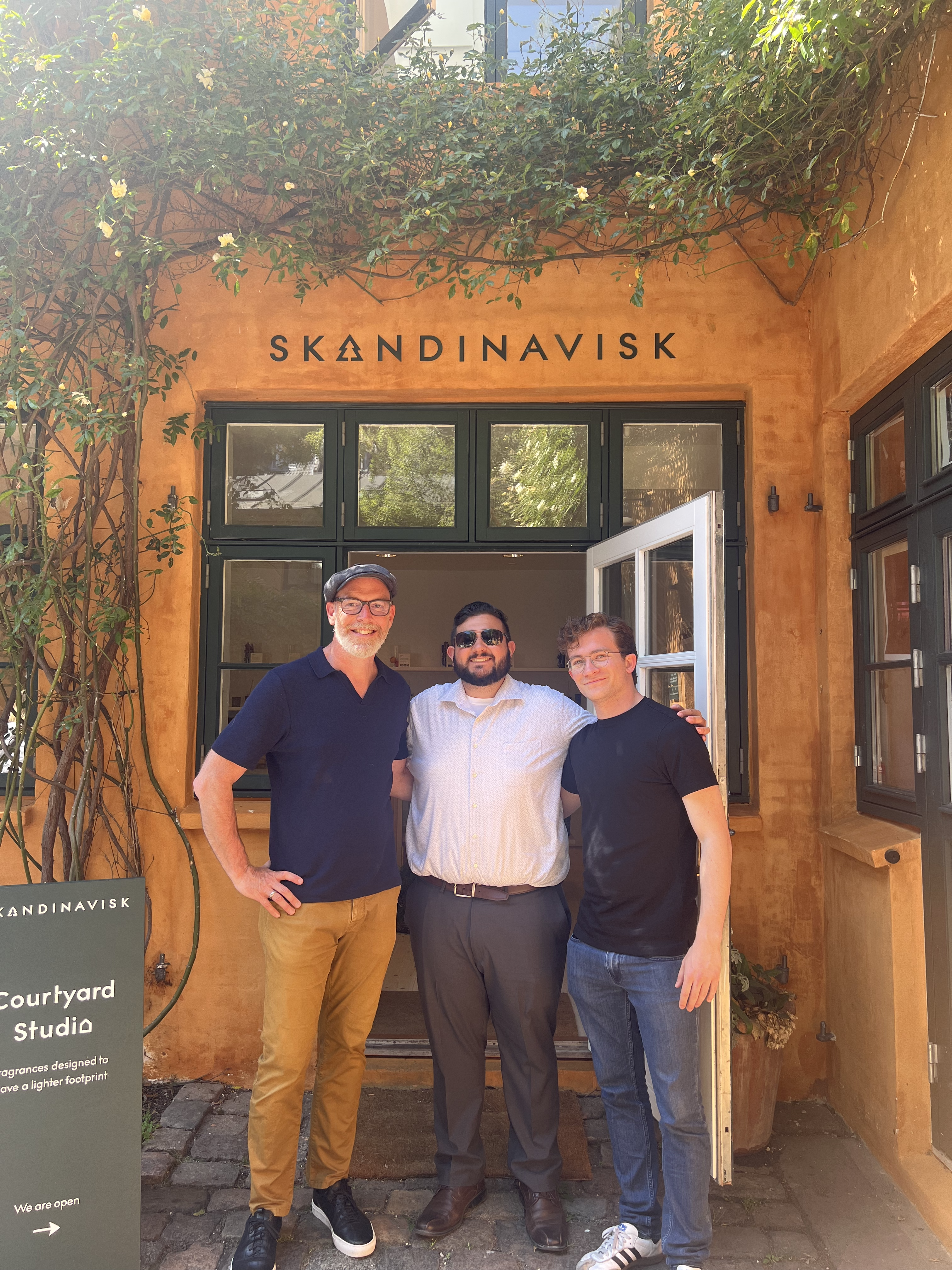
Our first and only business in Copenhagen had us at the well-known fragrance company of Skandinavisk. Co-owned by Englishman John Russel, the company took pride in Skandinavia and everything it offers. John experimented with various other products, such as textiles, but ultimately decided to use fragrances to represent the Scandinavian culture. Now, they primarily sell scented candles. He chose this route because Scandinavian candles are associated with warmth and togetherness, even when they have historically been white and scentless. He decided that he wanted to shake things up a bit by being one that brings the authentic culture of Skandinavia in smells. The company began with three candles, one for forests, another for oceans, and a final one that truly captures the “coziness” of Scandinavia, “Hygge.” The idea of the third candle was something much more personal than what it means to be Scandinavian. Their success with the candles transpired them to branch out into scents and lotions. As their success has increased, they have found themselves with many “copy-cats,” especially within the major countries they sell to, including the U.S., Europe, and China. What has kept Skandinavisk on the top of their game is that they were the originals to capture this spirit of Scandinavian culture while being made within the country. It may be worrisome for other companies, but to Russel, it is not a major issue. In fact, he has a collection of “copycats” in his office. He believes that it’s not an issue, because the “copy-cats” will never catch up to the real Skandinavisk brand.