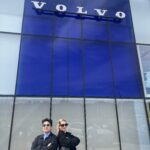
After 11 days in Scandinavia, it was time to leave our once in a lifetime experience. Not only did we all expand our understanding of how businesses in Scandinavia tackle issues such as waste management, keeping up with changing consumer needs, greener tactics, and work life balance, we got to experience them firsthand. This blog is going to highlight examples of these forms of progress demonstrated.
When I first stepped foot into Denmark prior to the official program, I noticed that the Copenhagen airport had already implemented many ways to be more cost effective, like 7-Eleven kiosks where customers checked out their items themselves to the absence of the feeling that there was a priority goal for selling to consumers when passing by shops. But that was just a preview for what was to come.
Starting in Skelleftea, which is north of Sweden, we stayed in The Wood Hotel, which was literally made of wood. The Wood Hotel is the world’s tallest hotel made of wood. Standing at 20 stories tall, the resort was built from locally harvested spruce and pine creating a fresh smell and absorbs more carbon dioxide than it produces.
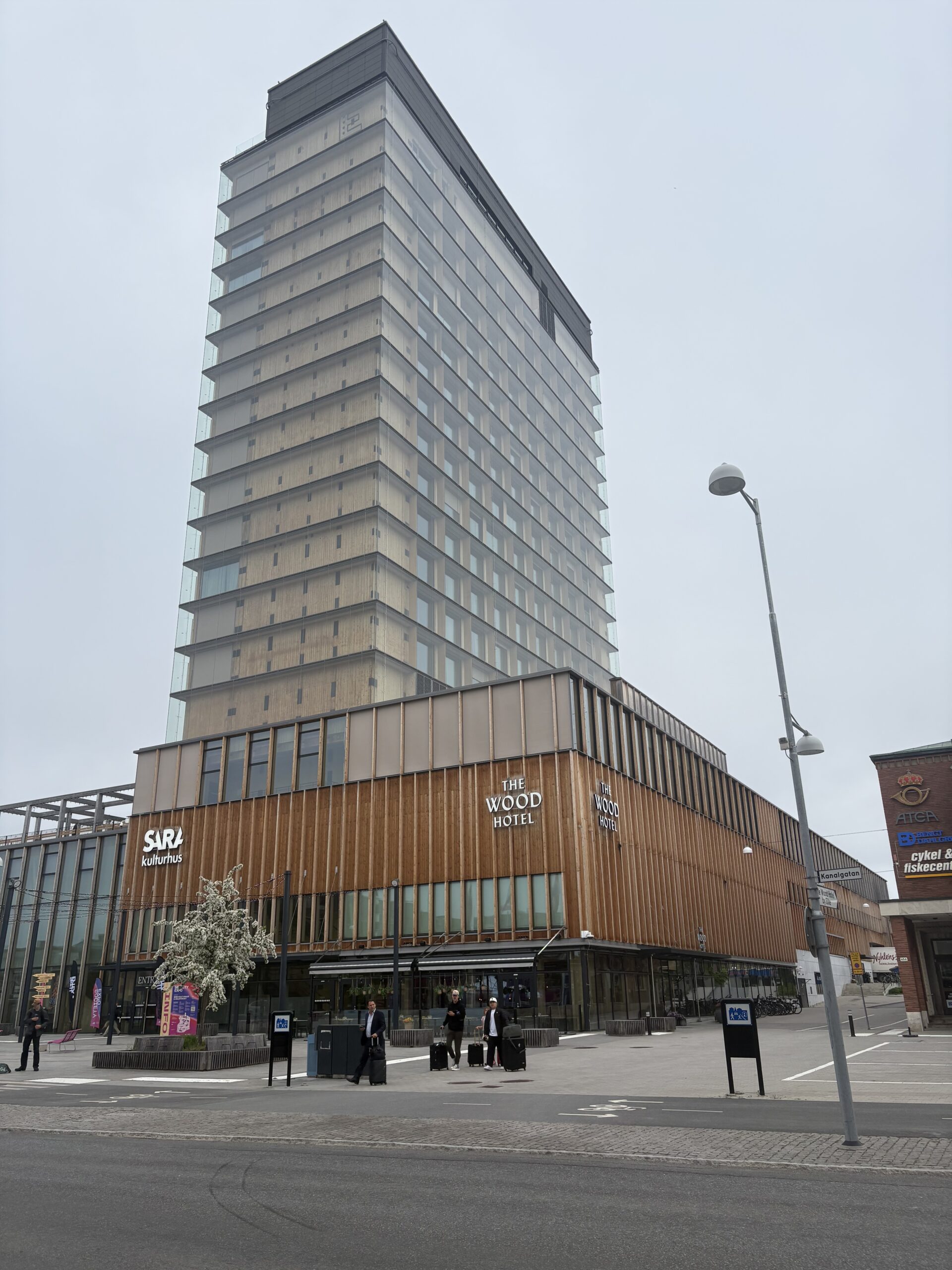
While staying in a resort that served in both comfort and progress, we also were a part of the PLACExNortic: The Place Attractiveness Conference, a meeting place where many individuals publicly spoke about improving business tactics that more efficiently benefited workers and society as a whole. It was one of the most immersive learning experiences to have a conference in a sustainable building with a conference discussing the same types of topics on related matters.
Scandinavia’s macroeconomy benefits from an integrated approach to sustainable resource utilization, regional attractiveness, and human capital development. By constructing landmarks like the carbon-negative Wood Hotel from locally harvested spruce and pine, the region directly stimulates local forestry and construction supply chains while reducing long-term environmental liabilities. This innovative architecture enhances “place attractiveness,” drawing tourism, foreign capital, and high-profile events like the PLACExNordic conference to the region. Ultimately, these forums foster vital knowledge spillovers by introducing progressive business tactics that improve labor productivity and societal welfare, driving sustainable, long-term macroeconomic growth.
After leaving Skelleftea, another theme that stood out to me was the emphasis in work and life balance. Unlike America and especially after Matt personally encountering workers going unconscious in the subway in what is to be the effect of the heavy work imbalance, encountering Swedish and Danish workers enjoy a work life balance truly stood out to all of us.
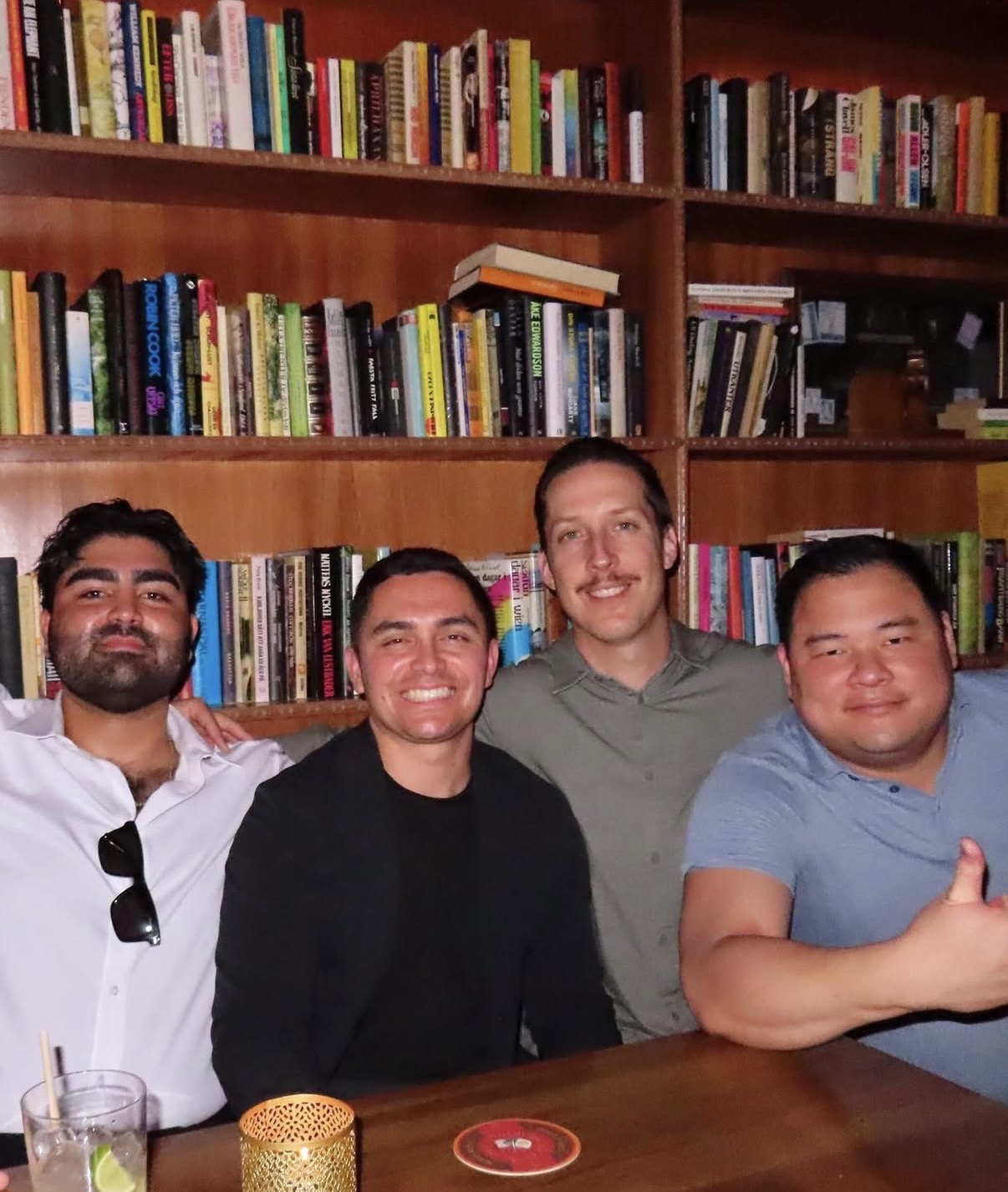
During our first night in Stockholm, the bars were packed on a Wednesday night implicating that the locals are given fair amounts of time to have fun and enjoy a night of fun despite having work the next day, where in America, bars would be emptier on a weeknight since we are taught to be disciplined for the next workday.
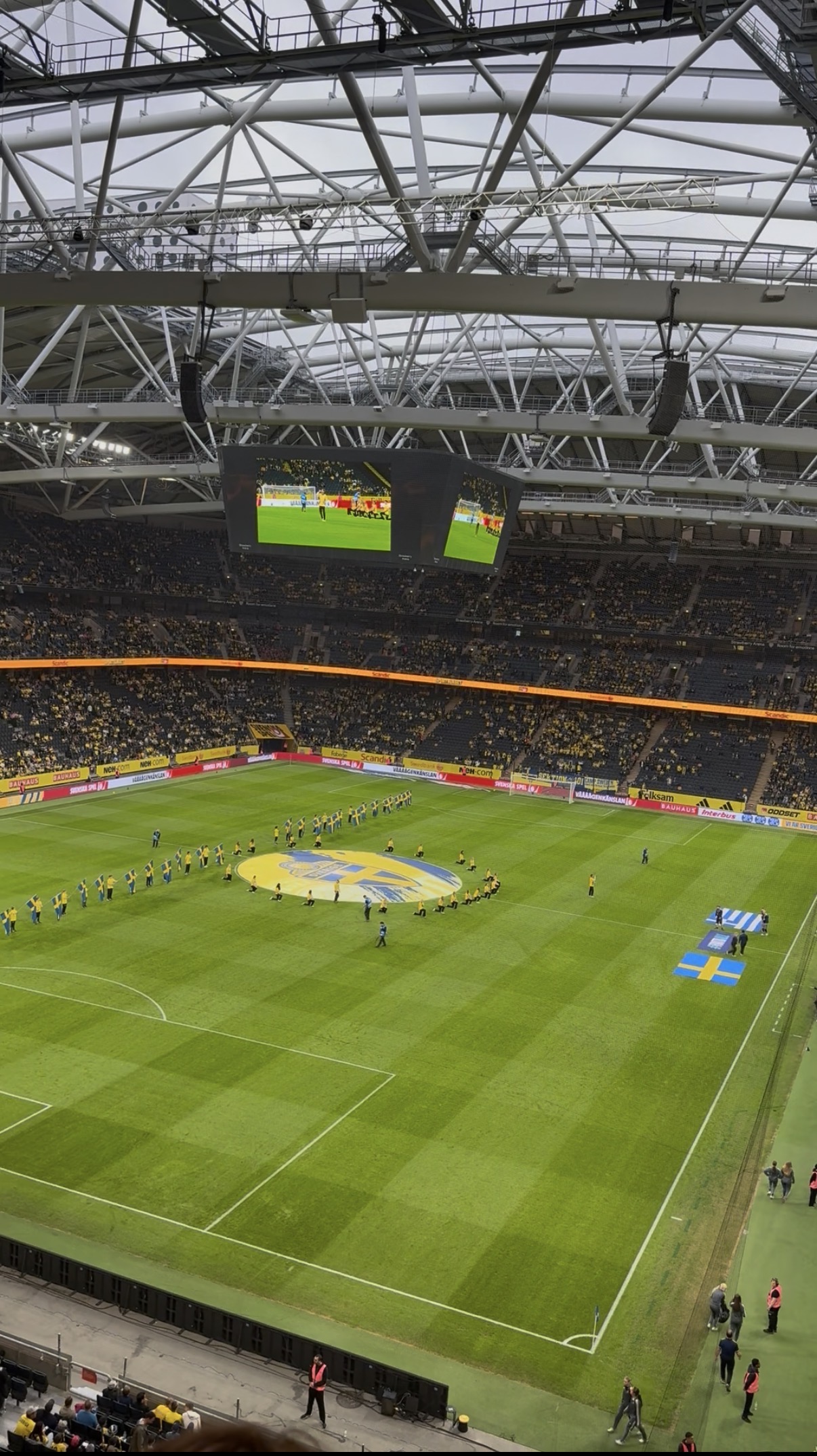
The following day, we all attended a friendly World Cup warm up match between Sweden and Greece. Even though it was a warmup match, the stadium was packed with Soccer enthusiasts and even packs of Swedish families attending demonstrating that even working parents are given leeway to enjoy a Soccer game after work and before coming back to their office the following day.
Scandinavia’s robust work/life balance acts as a macroeconomic catalyst by driving exceptional labor productivity per hour and maximizing labor force participation, particularly among women, through institutionalized parental leave and flexible scheduling. This healthy equilibrium drastically reduces workforce burnout, mitigating public healthcare expenditures and minimizing fiscal strain on the region’s comprehensive welfare systems. Additionally, guaranteed leisure time combined with high job security stabilizes domestic consumption, creating a resilient, high-human-capital economy where individual well-being directly fuels sustainable, long-term GDP growth.
Even after the program concludes, this experience has benefited many in this class to reflect on a work culture that can keep a healthy balance in progress and profit. As many are returning back home, a work-culture that has a stronger emphasis in work and money, experiencing a healthier balance has been refreshening and is even relieving to know that it is possible to push forward and to keep profits going while keeping up with trends and producing effective results. This trip is going into the books as a career changing experience that is going to stay with us all from this point.