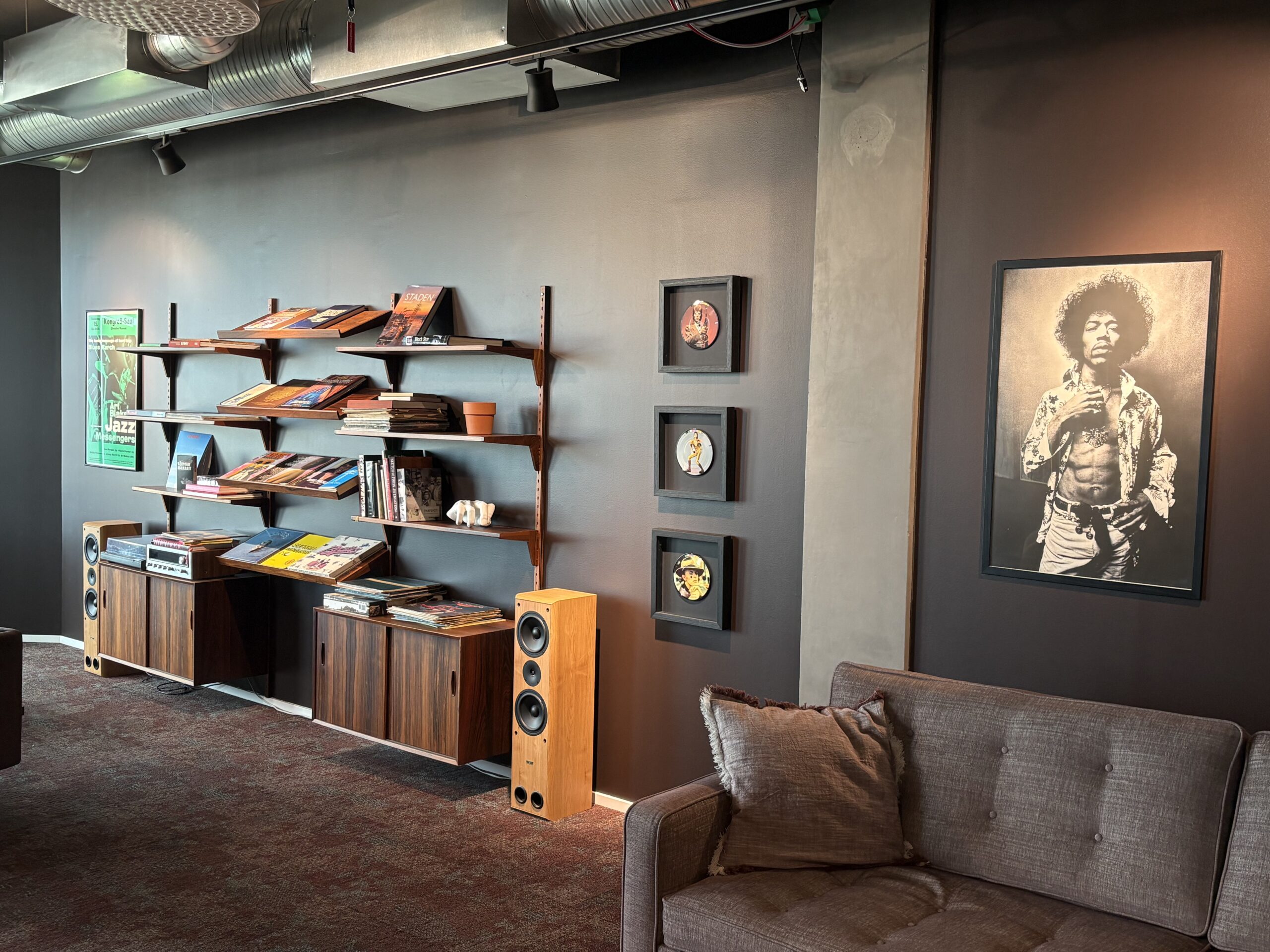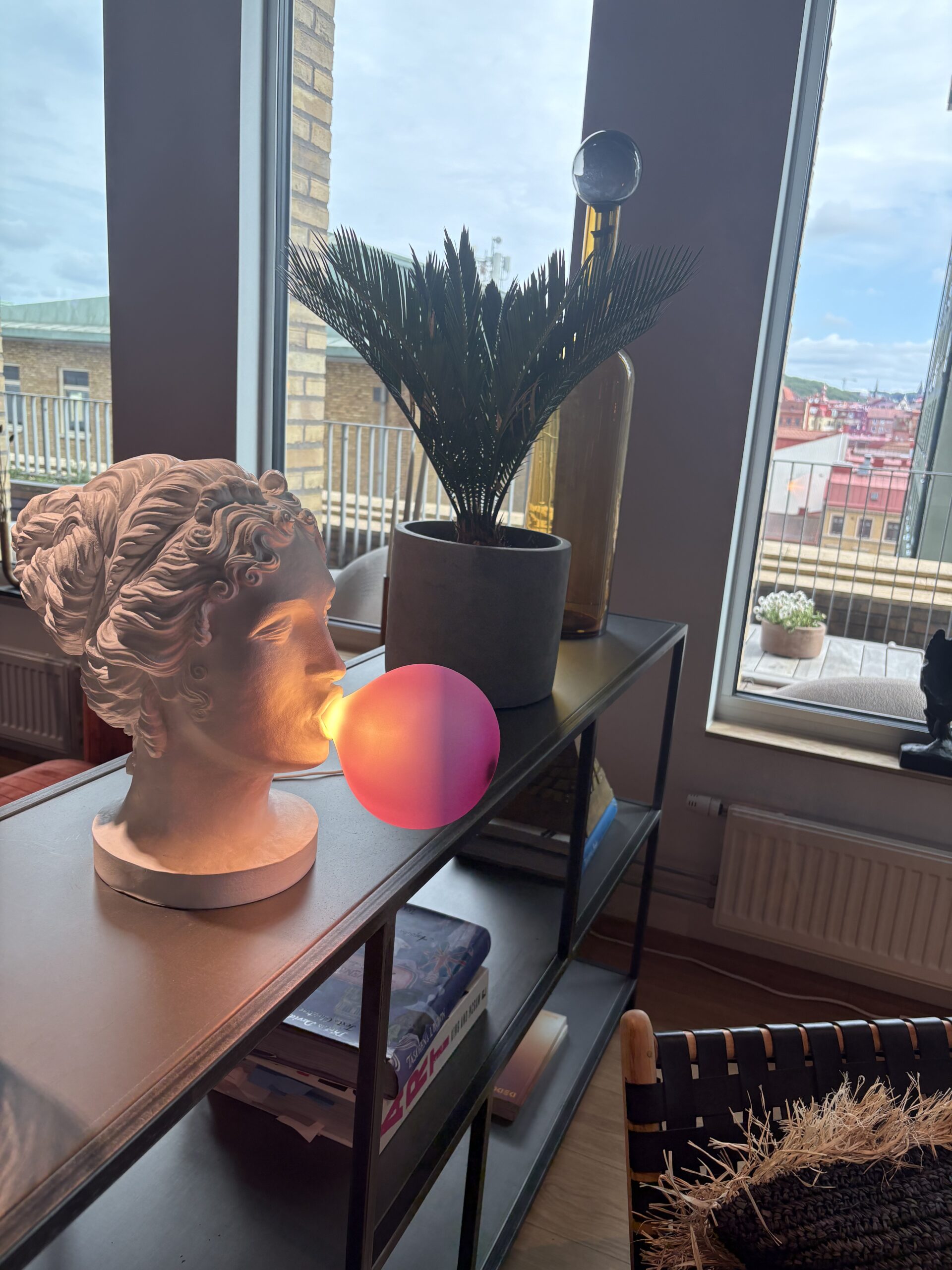
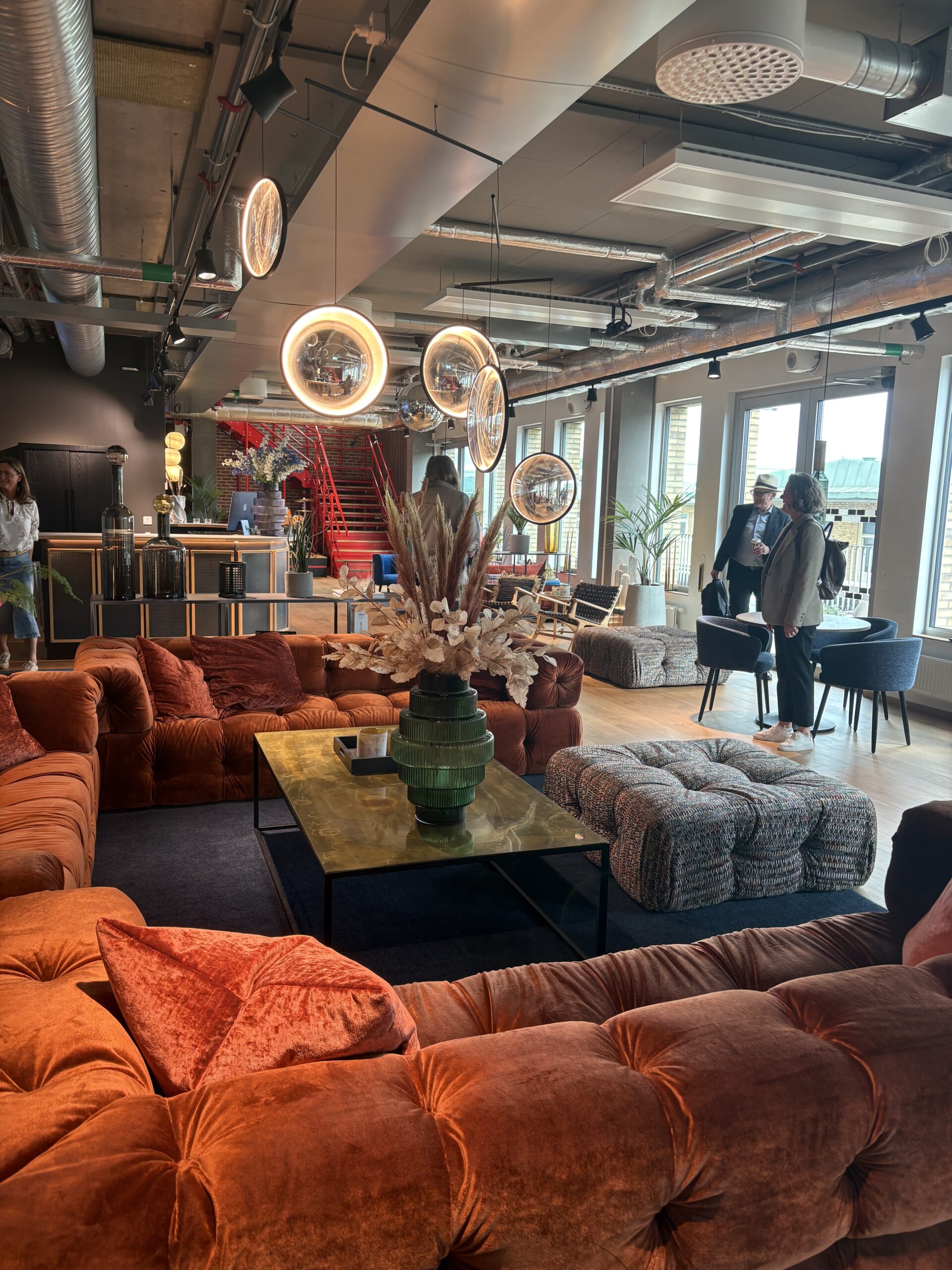
Stylt is a Gothenburg-based hospitality design and branding studio that’s been operating since 1988. Over 400 restaurants and 250 hotels globally, design awards from UNESCO to the World Hotel Awards, and a client list that runs from boutique entrepreneurs to major international chains. We visited them through More Alliance, a creative collective that brings several of Sweden’s most interesting firms together under one roof in Gothenburg. The space felt curated and comfortable without trying too hard.
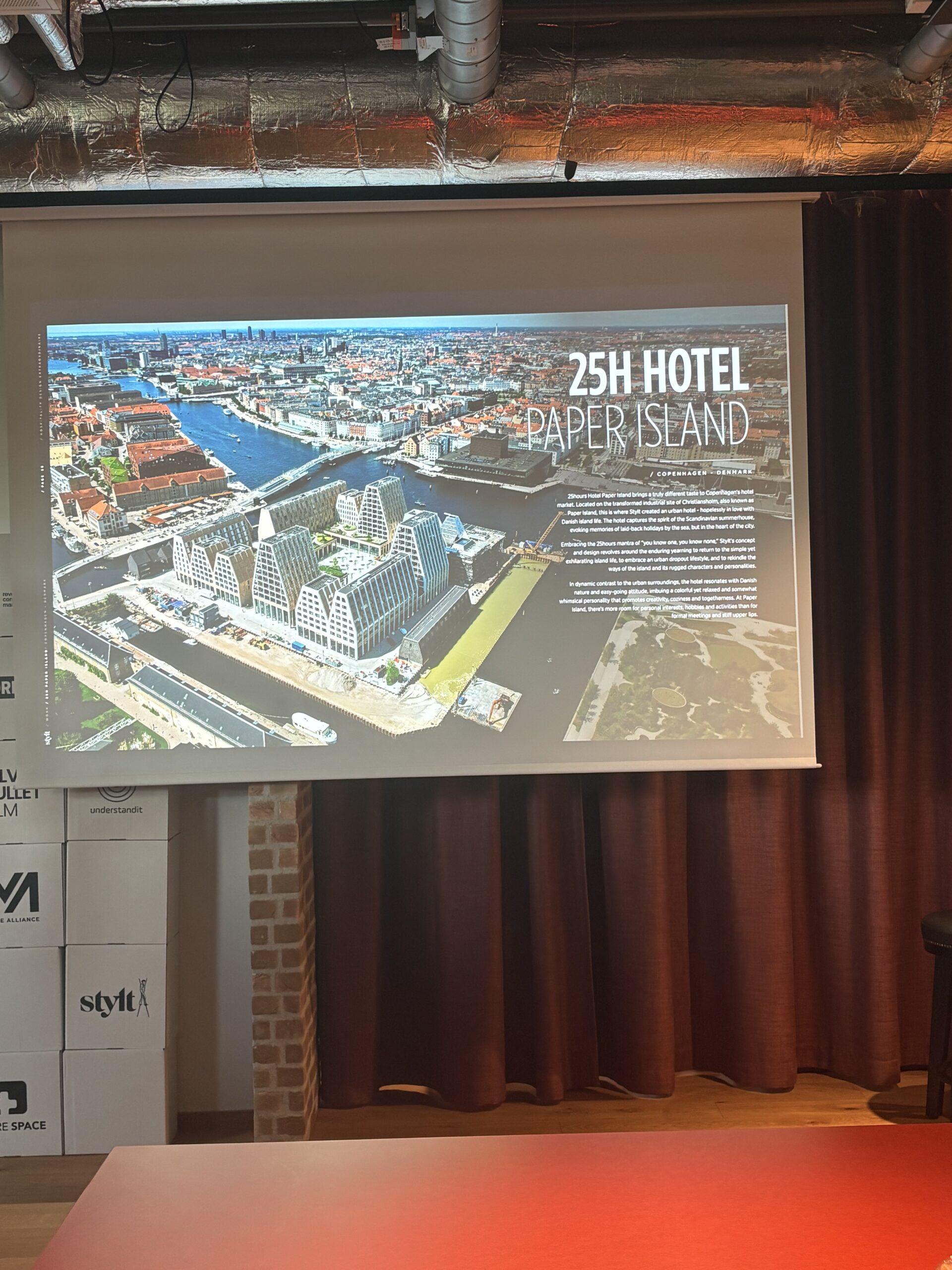
One of the projects Eric from Stylt shared with us was the 25H Hotel Paper Island in Copenhagen — a project built around the concept of laid-back Scandinavian summers by the sea, but placed in the heart of a major city.
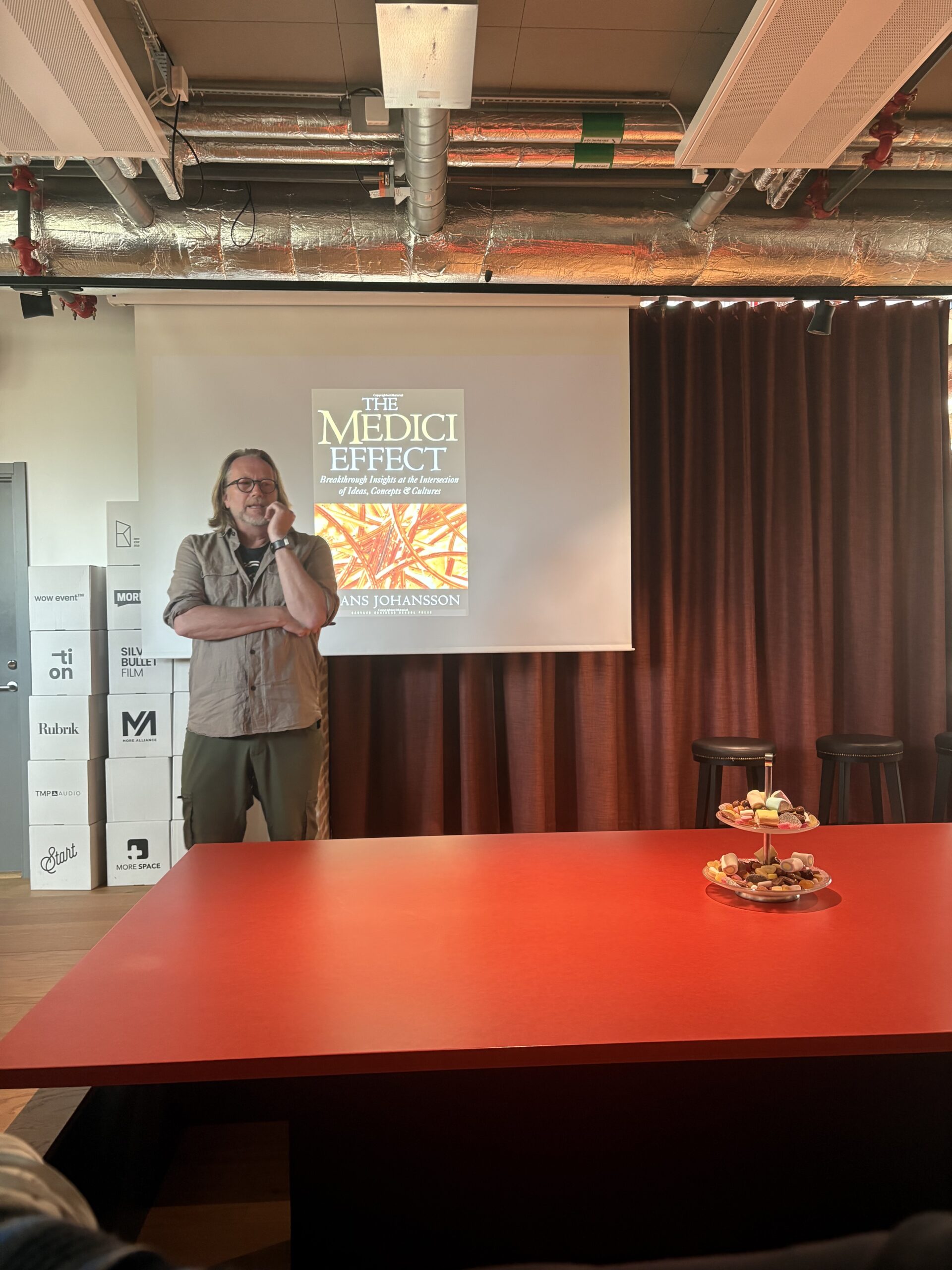
The session also discussed the Medici Effect, a framework for how breakthrough ideas tend to form at the intersection of different disciplines rather than deep inside any single one. Stylt started as an art collective, not an interior design firm, and that origin still shapes how they work — designers, strategists, storytellers, and brand thinkers operating across each other’s lanes. More Alliance as a physical space is its own version of the same argument. Enough different companies close enough to collide.
The sharper idea for me though was about luxury and how it can felt differently across clients, from possessions to poetry. The guests who matter most are looking for something harder to manufacture — a story they’ll still be telling six months later. A lighthouse island off the Swedish coast restored into a boutique hotel. A Copenhagen property designed around the nostalgia of summers at sea. Stylt isn’t selling rooms. They’re selling a relationship with a place and a feeling.
That was something I began noticing across the trip. American marketing is often built on manufactured urgency — the fear of missing out, the pressure to act now. It makes sense in a context where attention is scarce and competition is relentless, but Scandinavian marketing seems to work differently. Trust here is structural. Scandinavians consistently rank among the highest in the world for confidence in government and public institutions. When the social contract is visible and functioning — when the trains run and the healthcare works — it changes how businesses relate to their audiences. There’s more room to let the work speak on its own terms.
Two aspects of the presentation really stuck with me… “smiles before revenue” and “let’s make better mistakes tomorrow.” I think in most American offices those philosophies would get an eye roll but in that moment it was a tangible strategy.