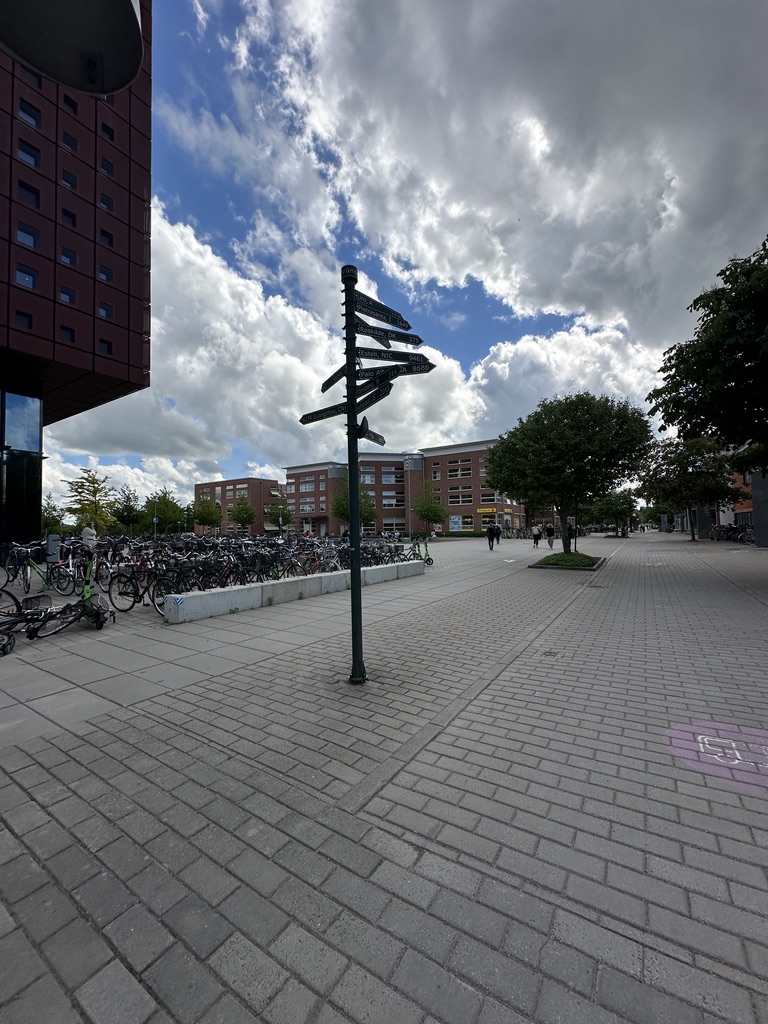
Our day began with checking out of our hotel and heading to Linköping University, where we explored our professor’s alma mater. The campus was beautiful and offered a wealth of knowledge, from AI and innovation to entrepreneurship and technology. We visited the library and experienced the blend of historic and modern facilities. Lunch at the university cafeteria, which featured various vegetarian and non-vegetarian options, highlighted the emphasis on diverse and sustainable food choices.
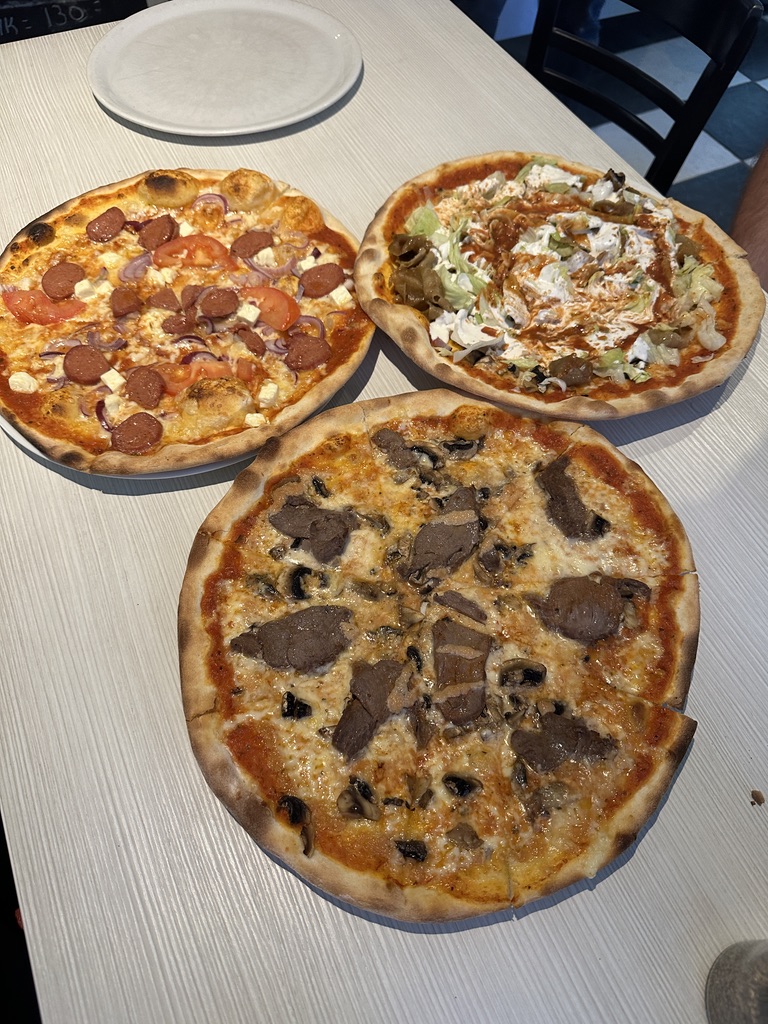
After our visit, we took a relaxing bus ride to Stockholm, recharging for the evening ahead. Upon arrival, we quickly changed and set out to find food. Deciding on a place to eat in a larger group was challenging, but we settled on kebab pizza, a local favorite. The restaurant, run by Turkish people, showcased the multicultural culinary landscape of Stockholm. Despite the language barrier, the staff were friendly and accommodating, using Google Translate to help communicate. The pizzas, a fusion of Middle Eastern and Italian cuisines, were delicious and satisfying.
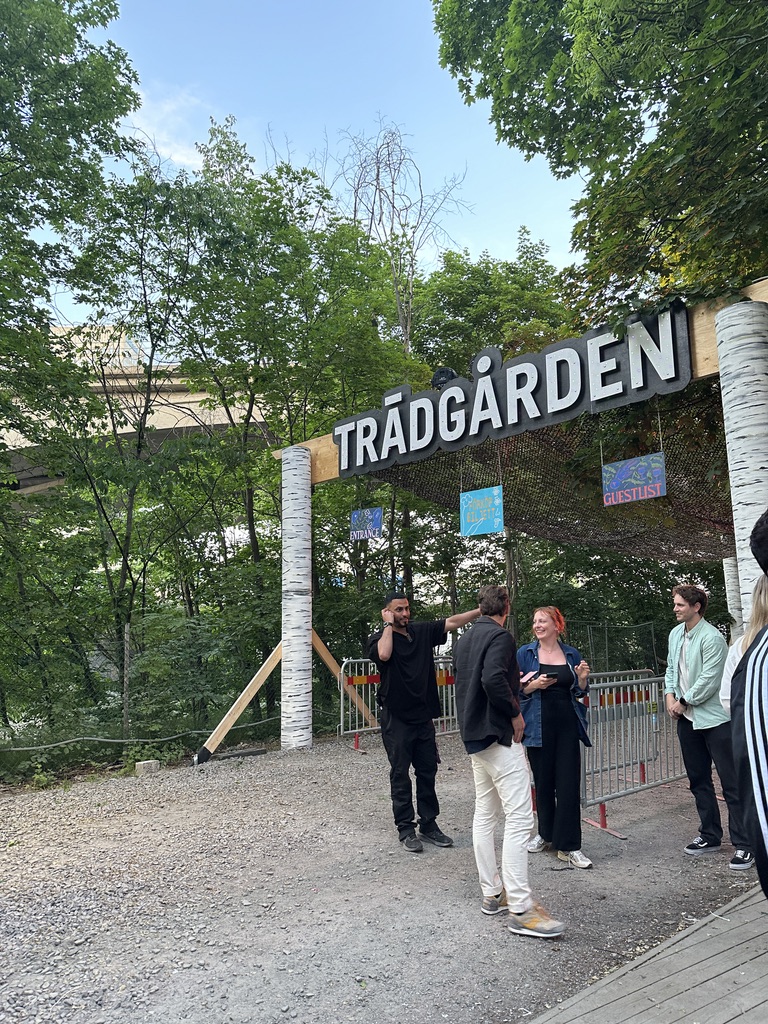
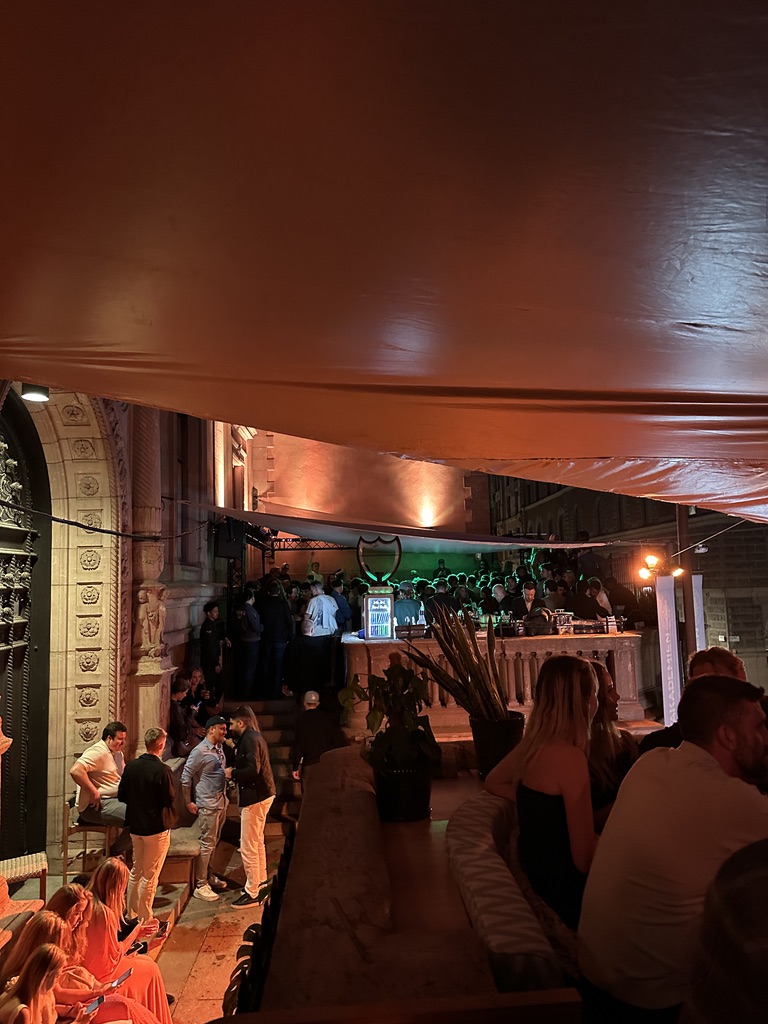
Exploring the city, we first visited an outdoor venue called Trädgården. Although the music concert was ending, and the staff advised returning on a weekend, the venue’s unique setup and vibrant décor left us intrigued. This highlighted the impact of event timing on nightlife business operations.
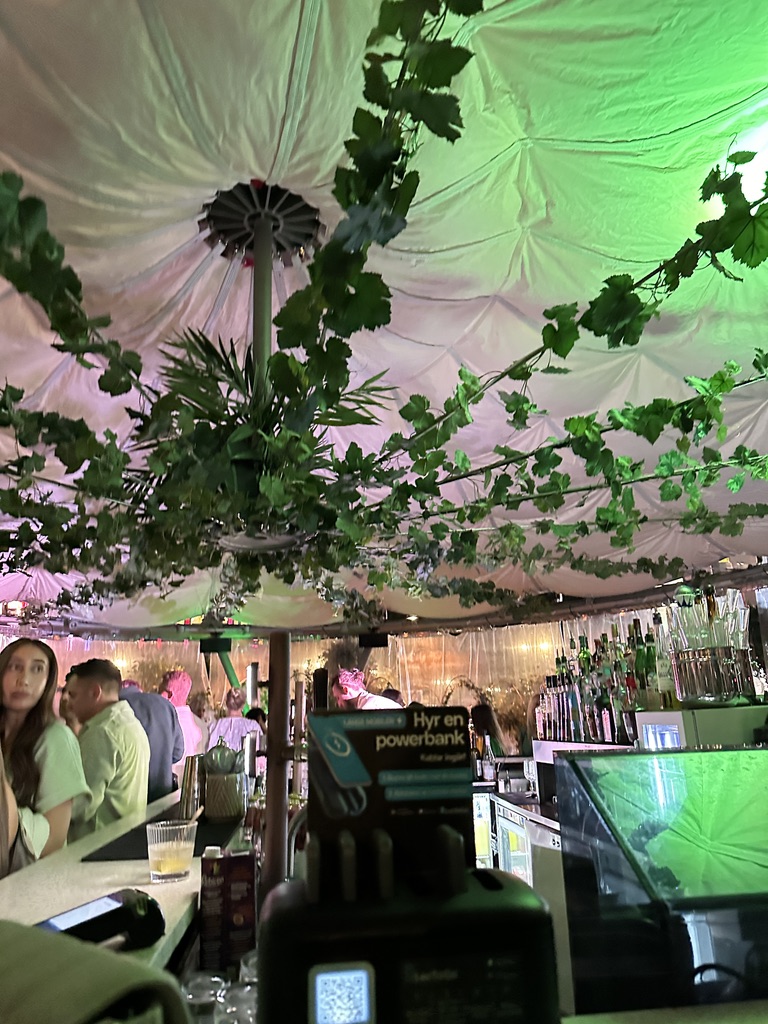
Next, we headed to Stureplan, a renowned area filled with bars and restaurants. We started at a bar below the Spy Bar, enjoying expertly crafted cocktails in a cozy yet stylish ambiance. Later, we moved to an outdoor bar across the street, featuring excellent house music mixed with American songs. The outdoor setting, with fairy lights and a gentle breeze, provided a perfect summer night backdrop, emphasizing the role of the environment in creating memorable nightlife experiences.
Conversations with locals led to trying “hot shots,” a drink made with Galliano, hot coffee, and whipped cream. These cute drinks, accompanied by a song, showcased how local customs enhance the uniqueness of nightlife experiences. The communal and festive element of this tradition added significant value to our evening.
Our final stop was the club F12, which had an exclusive vibe, only allowing entry to those with a table reservation or on a guest list. Fortunately, our friends we met earlier got us in. The club featured an outdoor area upstairs with two sides playing different music and an indoor floor downstairs with throwback American hits. The variety ensured everyone could find music they enjoyed, highlighting the importance of catering to diverse musical tastes in nightlife businesses. The club’s design, with sleek interiors and spacious dance floors, added to its allure, demonstrating the business strategy of creating a prestigious and desirable atmosphere.
We partied until the sun came up, a rare experience for us Californians, where nightlife typically ends at 2 AM. Watching the sunrise over Stockholm as we left the club capped off an unforgettable night. This extended nightlife experience underscored the business strategy of longer operating hours, catering to night owls and maximizing revenue potential.
This day perfectly encapsulated the blend of academic enrichment, culinary delights, and vibrant nightlife that Scandinavia has to offer. Our experiences in Stockholm reinforced the importance of quality, authenticity, and cultural adaptability in nightlife and restaurant businesses. By understanding these elements, businesses can better cater to their clientele, enhance customer satisfaction, and achieve long-term success. Stay tuned for more detailed posts as we continue to explore and analyze the Scandinavian nightlife and restaurant industries, offering insights for those interested in international business, marketing, and sustainability.