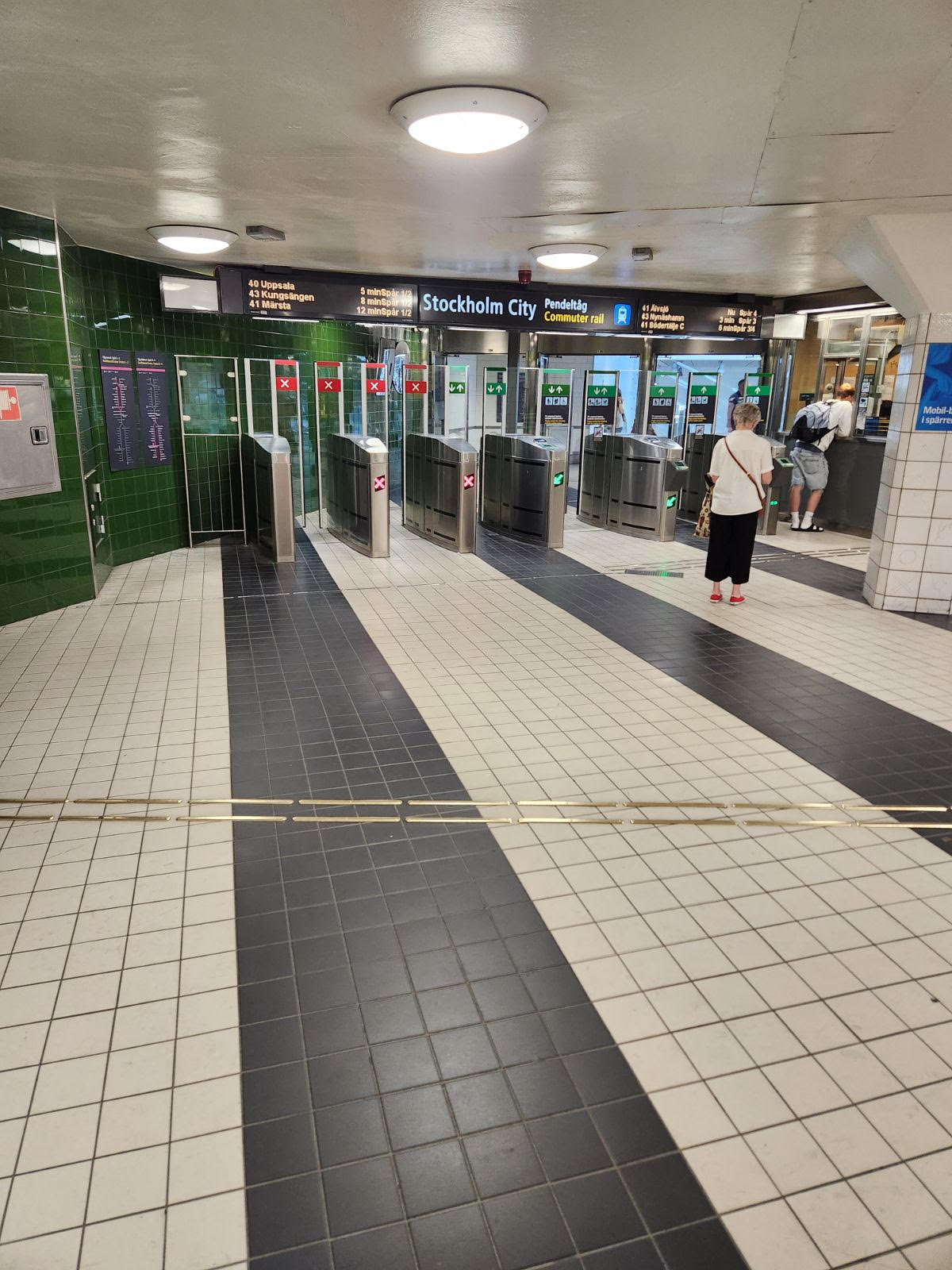
If you’ve ever spent much time in Los Angeles, one of the first aspects of the city that might come to mind is constant traffic. Whether you’re passing through at rush hour or in the middle of night, you’re guaranteed to hit some slowdowns. With this in mind, you might think that Sweden’s largest city would suffer from similar vehicular congestion but in reality, their streets are relatively quiet. Thanks to the city’s vast public transportation network of buses, boats, trains, and subways, combined with its walkability, Stockholm should be celebrated for its innovative approach to moving people throughout its city.
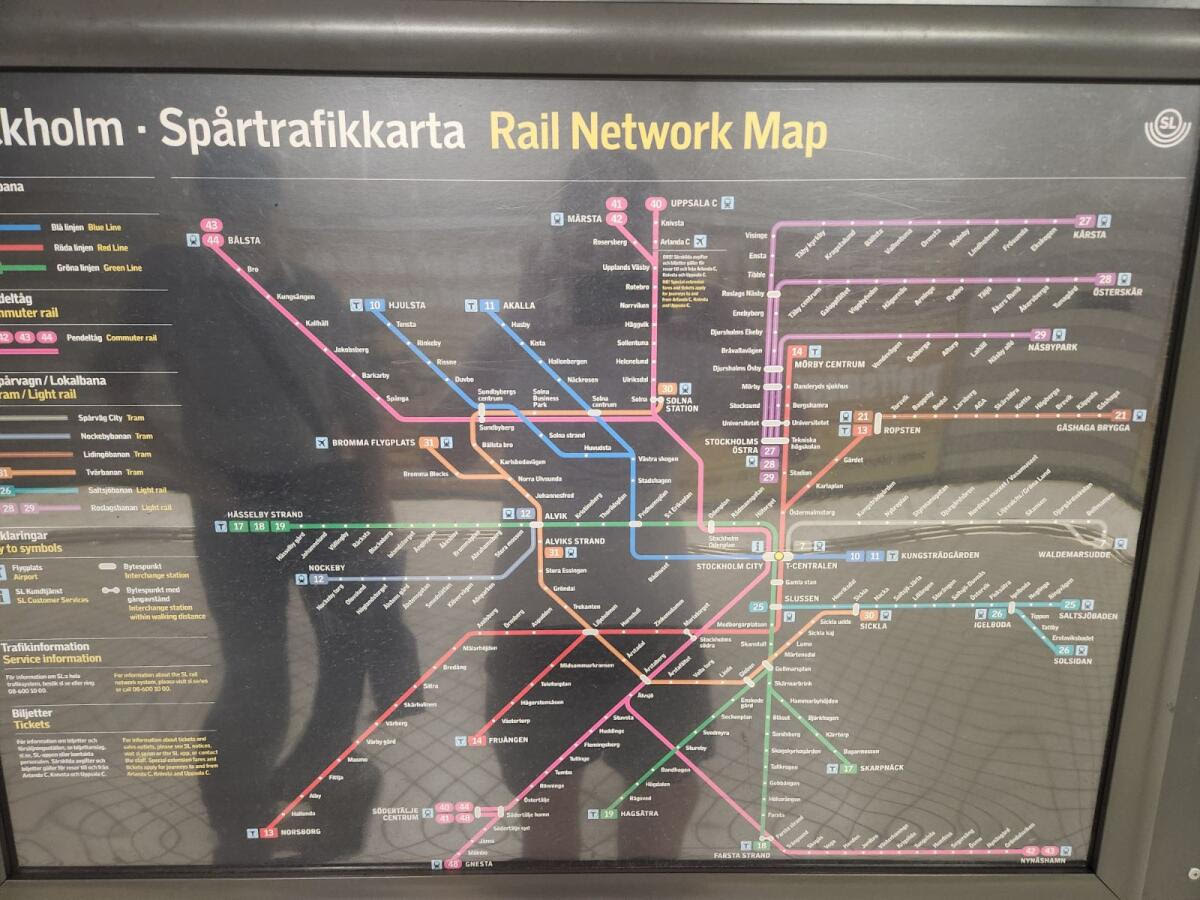
First up, the bus network weaves itself throughout the city. The city uses two different types of buses, with the larger of the two being the blue line and the standard size being the red line. Blue line buses are meant for long distances. They make few stops and get people across the city quickly. Some of the blue line buses go out to the suburbs of Stockholm which makes them an ideal option for local commuters. The red line bus is a more traditional city bus network that expands throughout the city. As with all the public transit, they use a SL Access Card that can be loaded for individual rides or unlimited use for a set period of time.
Very unique to Stockholm, the public boat system helps save pedestrians on walking time as they traverse the islands of the city. Being “the Venice of the North,” these boats offer an affordable way to not only get from island to island but also to experience a view of the city from the water. With stops at major tourist points, the boats assist moving large numbers of both travelers and locals between islands while causing little interruption to other forms of transportation. With their unique design, the boats are able to quickly load and unload large crowds and reverse out of port in the opposite direction it entered in.

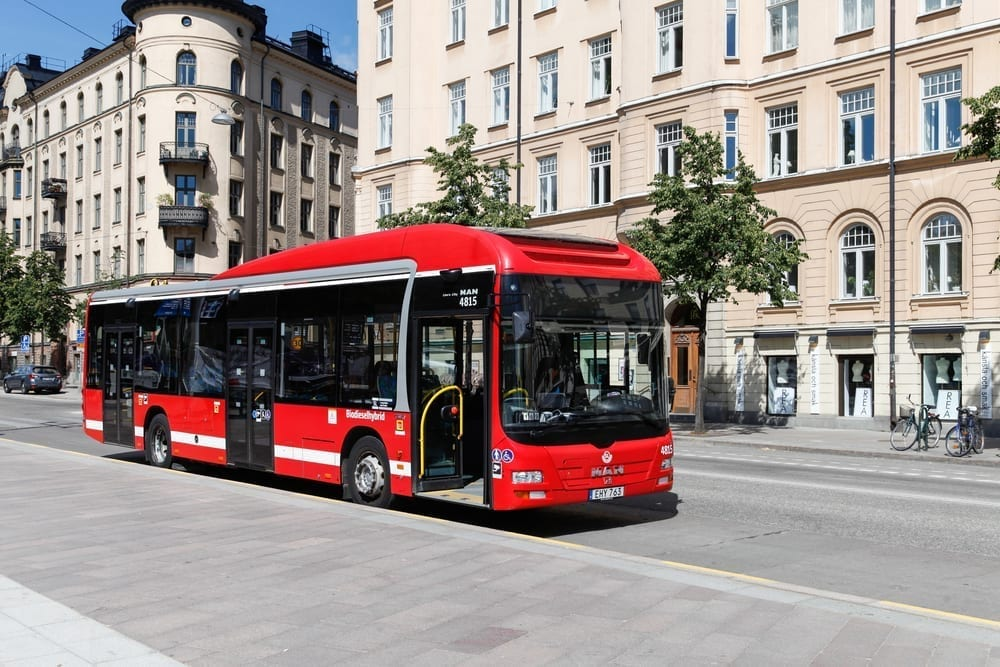
Similar to the Blue line buses, trains are a heavy preference for commuters. Being the heart of Sweden’s businesses, its essential workers are easily able to get from suburb to office. These trains average 120 million passengers per year. With 7 lines and 53 different stops, the train serves as the backbone for the local workforce. The network uses X60 trains which are state of the art electric trains. With 95% of the trains being made from recycled materials, Sweden continues to promote itself as a leader in sustainability.
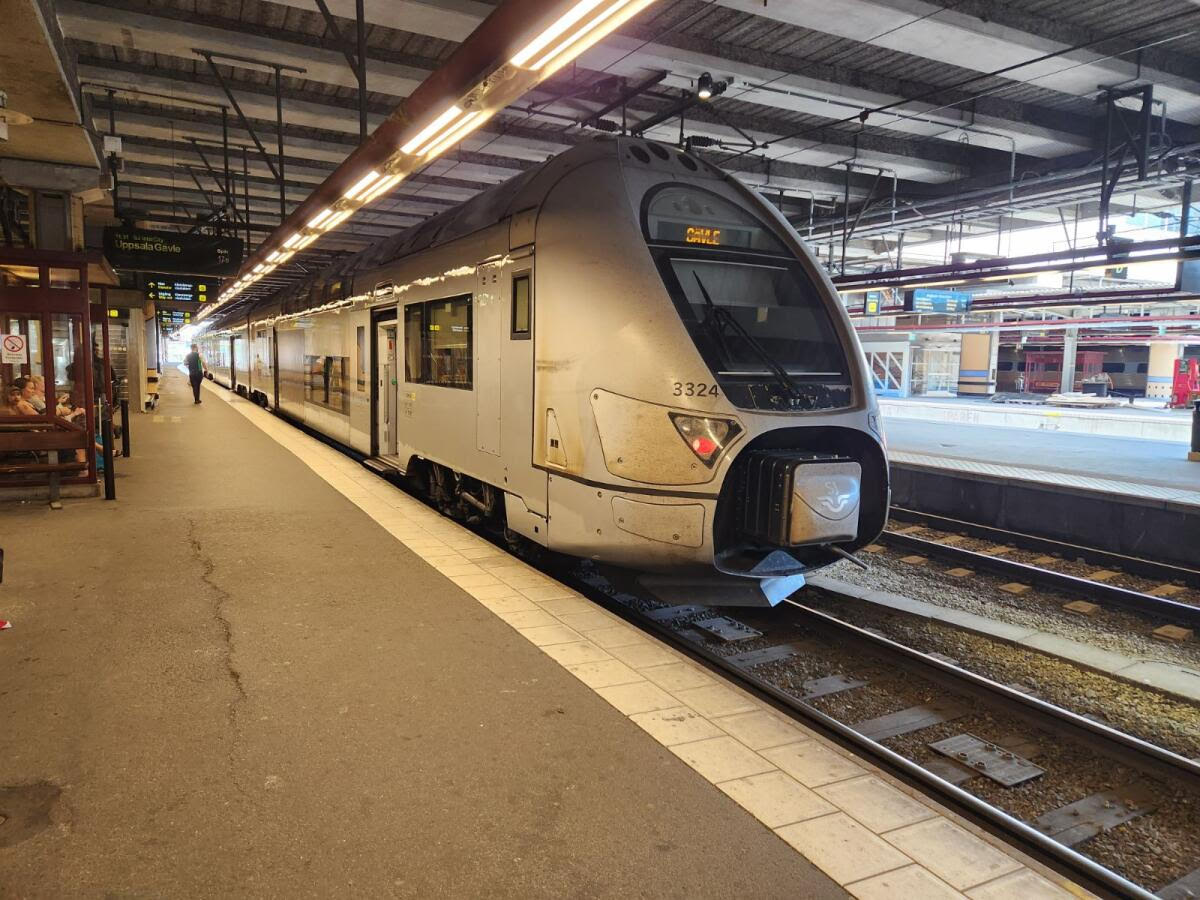
Finally, we have the subway system which is reminiscent of New York City. The system has 100 stations spread across 7 subway lines. The subway is the heavy hitter for public transit with 462 million passengers per year. While the system does still use some older model carts, these old carts are still fully electric. The system that began operating in 1933 is still ever expanding with goals to add 18 more stops by the end of the 2020s.
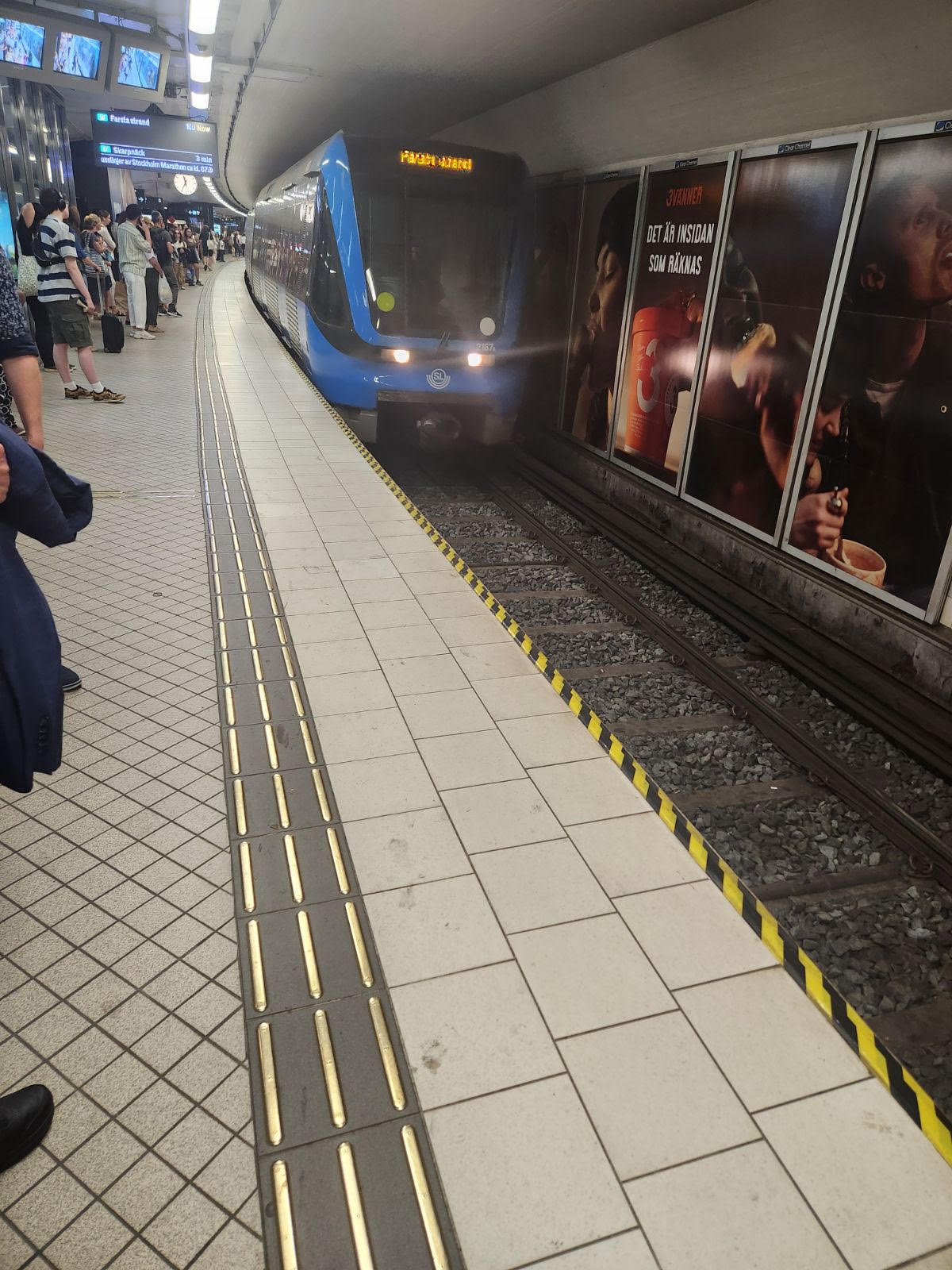
Not only does Stockholm’s public transportation system serve its functional purpose of moving pedestrians around the city, it serves as a reflection of the city’s identity. All options pride themselves on being all electric to help reduce emissions from themselves and the cars they keep off the streets. They strive to focus on the latest technologies while continuing to expand. These networks serve as the backbone to this growing capital city.