Hello and welcome to Gothenburg! After a night of fun and an unofficial dinner on Sunday, we officially started the trip on Monday, visiting Volvo Trucks, Volvo Group HQ, and World of Volvo. Then after a long night of eating and socializing with Swedish professionals, we ended the evening. After an early start, we checked out of Gothenburg and made the 3-hour trip to Linkoping, to visit SAAB Aeronautics.
We had an early start, and we started the day crossing through Gothenburg to the industrial side, and making it to the production factory for Volvo Trucks. We were lucky enough to get a detailed train tour inside the factory (no photos allowed!), and we were shocked to see that most of the trucks were hand-built. There were a few robots and machines here and there, helping to mount the windows and move the cabs and chassis around the production factory. Still, almost every component on the Volvo truck is hand-assembled by the dedicated team in Gothenburg. Additionally, every single cab is produced in Gothenburg, so even the satellite factories will order those from Sweden. Volvo Trucks is a progressive business, and they are proud to report that their factories have over 30% of women assemblers, which is a much higher percentage than seen in the American and international production industries. We asked about their vacation and work schedule policy, and they have a 4-week shutdown in July, a known phenomenon where factories across Sweden close production and spend vacation. This does not apply for office workers, who can take their time off as they want. This is not seen in America, where we have almost constant factory production, often 7 days a week, with only 2 weeks of vacation. Their steel factory works shifts for multiple weeks 7 days a week, and then they will get weeks of time off in exchange. Their assembly factory has regular 5-day shifts, with numerous shifts to cover the 7 days. In the middle of the factory, they have a dedicated lunch space with live plants and a quiet, relaxing area. We have yet to see such a dedicated space in the middle of an office or factory space, but it can be seen in a few American corporations, such as Apple or Google.
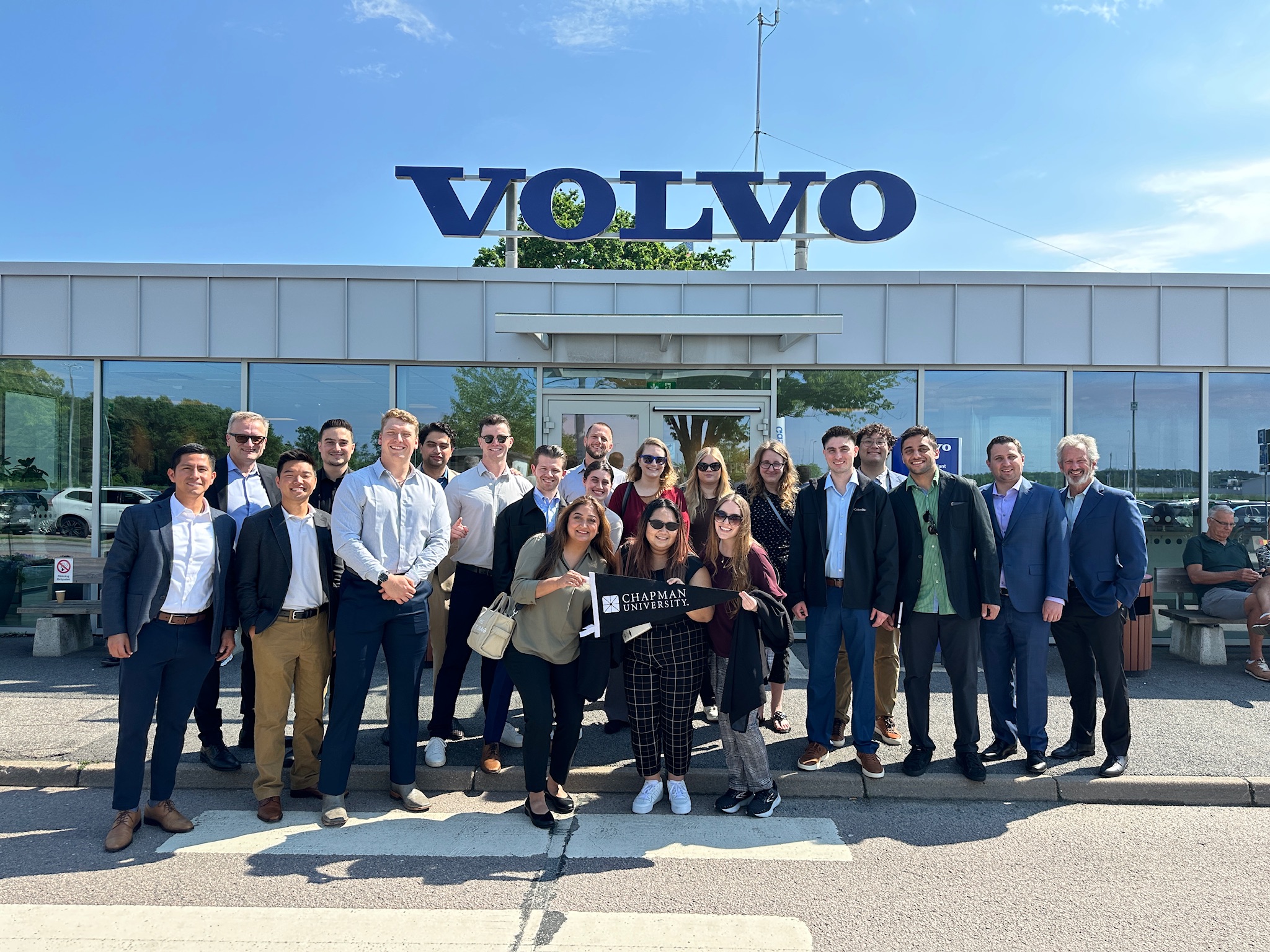
While waiting to check in at SAAB, I talked with one of our hosts who was showing us to the conference room. We asked about their vacation and healthcare policies and were shocked at the stark differences between the countries. To start, employees at SAAB get 6 weeks of paid vacation off and around 7 days of paid holiday days for dates such as New Year’s, Christmas, and easter. By comparison, workers in California are not legally mandated any length of vacation days, but 5 sick days are required. There may be local ordinance laws that change this, but employers at this stage do not have to give their workers any vacation, but it is typically around 10 days on average. Additionally, we asked about sick leave, and she told us that they get paid sick leave for as long as they need it, for an accident or surgery or otherwise. By contrast, California requires 12 weeks of unpaid job protection, but you can be fired after that period ends. This would also end your benefits, such as healthcare, which is vital for those with lengthy hospital stays and treatments that they wouldn’t be able to cover otherwise. Finally, we asked about their parental leave, and we were surprised to learn that new mothers receive a year of paid maternal leave, while fathers at their company receive 6 months of paid leave. In California, both parents can take 12 weeks of unpaid parental leave and apply to the CFRA, a government entity, for up to 8 weeks of 70% paid leave. This support comes from the state disability fund supplied by taxes, but there is no guarantee that an applicant will be considered eligible and receive the aid. There is no obligation of your employer to support you past allowing you to take the 12 weeks of unpaid time off, and they have no financial obligations. Most companies do not extend these benefits for the betterment of their employees since they are not legally required to.