Hej! We’ve just finished up our last business visits at Volvo Cars and Volvo Group, and gained some excellent new insights into Swedish business culture. We both had an absolute blast on this trip and learned a lot, and it’s tragic how fast it went by. Regardless, this was one for the books.
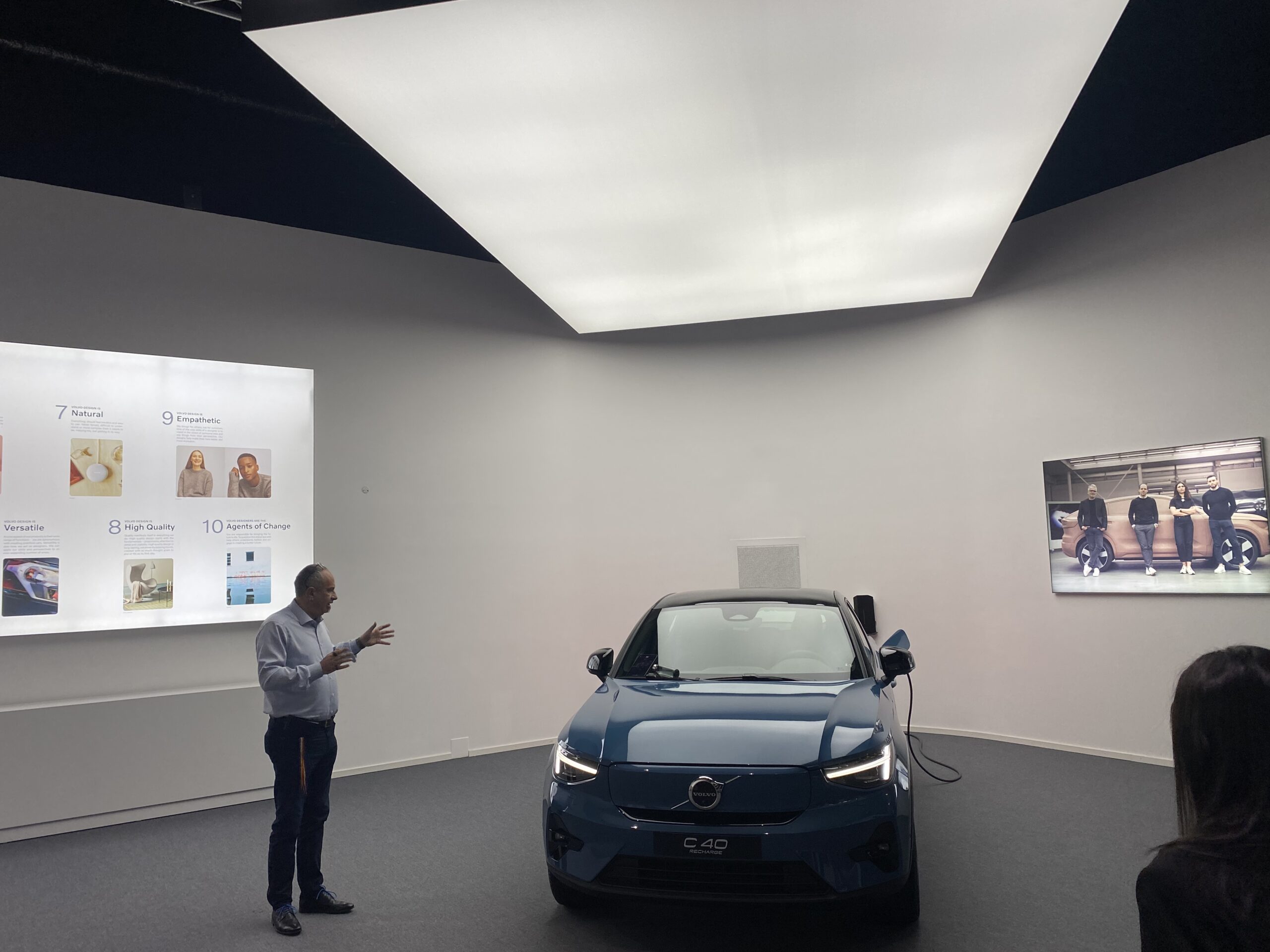
At Volvo Cars, we heard a perspective we haven’t heard yet; that they actually DON’T prefer the American management style. Tomas, who’s been working for Volvo Cars for more than 40 years, saw the company change ownership from Swedish (Volvo Group) to American (Ford Motor Company) to Chinese (Geely). He claimed that by far the most restrictive and frustrating management style was from the Americans, and their relationship with Geely is far superior. They’re both more collectivistic cultures than America, so it makes sense from that standpoint. However, Tomas’ thoughts totally contradict what many other businesses have told us this trip. Perhaps the Ford Motor Company deal was especially messy and he harbors resentment still. Or perhaps, he was just more blunt and didn’t feel a need to flatter us like those at other places did. Regardless, this was very intriguing to hear.
Another observation we made was the sheer amount of women working in the production facility at Volvo Cars. According to our tour guide, 30% of employees on their factory floor were women. This is very different from the US, where you can walk on most production floors and almost exclusively see hundreds of men working. It was great to see some egalitarianism in an industry we traditionally think of as male-dominated, and it shows how different attitudes are on manual labor in Sweden.
We also learned that turnover rates in this factory are incredibly low; in fact they’ve had issues in their press facility with trying to attract a younger workforce because so many employees have been there for so long. There’s more of a stigma against hopping around jobs in Europe than in the states, and it’s easier to remain loyal due to the great benefits both the company and government offer. Many American managers would kill for this kind of loyalty especially in the manufacturing industry, so that was unique too.
Afterwards, we went to Volvo Group to discuss their mission of normalizing electric and autonomous trucking. One thing we noticed was that they maintained a very collectivist point of view. They hoped to use the profits from their trucking business to spread sustainable energy and transportation for the good of the planet, not necessarily solely for profit. This is in contrast to a highly individualistic society like America, where many group members agreed it would be difficult to implement clean energy solutions at all due to the large number of differing opinions that all carry equal importance. This is interesting because the American point of view is often that capitalism and individual freedoms lead to greater innovation. However, Volvo Group does not seem concerned about these things and have achieved great innovation in their startup incubator as well as their energy division.
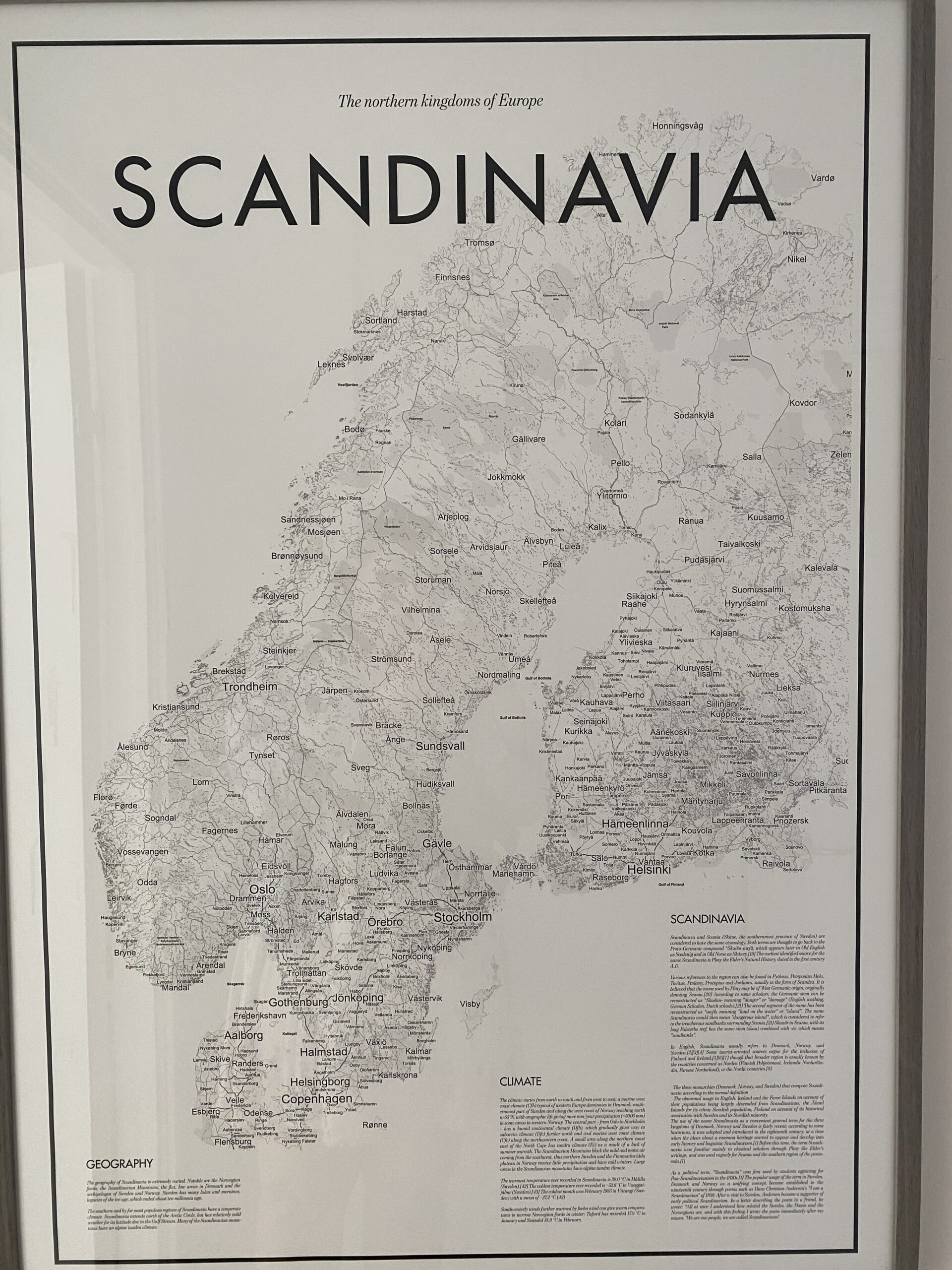
In the end, which way of doing business is superior – American or Scandinavian? These writers conclude that the best approach is probably somewhere in the middle. The company we visited with the most Scandinavian business style was Science City in Skellefteå. Their slow decision making and fear of failure has kept them from achieving the same success as companies with a more agile mindset like Spotify or Challengermode. These companies, along with Skansinavisk, have employed creative and aggressive American style marketing tactics that have brought them great popularity, ideas, and investors for their projects. However, Volvo Group, Skandinavisk, and Ericsson prove that it’s not necessary to give up Scandinavian ideals like community, contentment, and working for the good of society to achieve financial success. In some ways, this helps them implement new ideas faster without the bureaucratic approach of American politics and companies.
That’s all for now! We have learned so much about the possibilities for company culture, advancements in technology, and goodwill from our new friends in Scandinavia. We will definitely carry this knowledge forward in our professional lives to come.
Hejda for nu!
Jonathan & Carrie