On Friday, we had the pleasure of touring two intriguing tech companies, Einride and Ericsson. Einride is attempting to revolutionize the trucking industry through digitalization and autonomous driving. Their entirely driverless trucks (without even a cab) would be a world-first as they seek global deployment of these systems. Personally, I found Einride to be more akin to American companies than many of the smaller businesses we visited. That being said, there were definitely some distinct differences. For one, they have a much more lax working culture than Americans do and work a maximum of 40 hours a week. So going into the office doesn’t mean sacrificing a proper work-life balance. In addition, the public transportation in Stockholm is incredible compared to the states. Many Americans don’t want to return to dealing with their commute, which often involves sitting in traffic and finding parking in a business park nowhere near the rest of the city. Meanwhile in Stockholm and much of its surrounding area, there are almost too many options for getting around and it was clearly designed with walkability in mind.
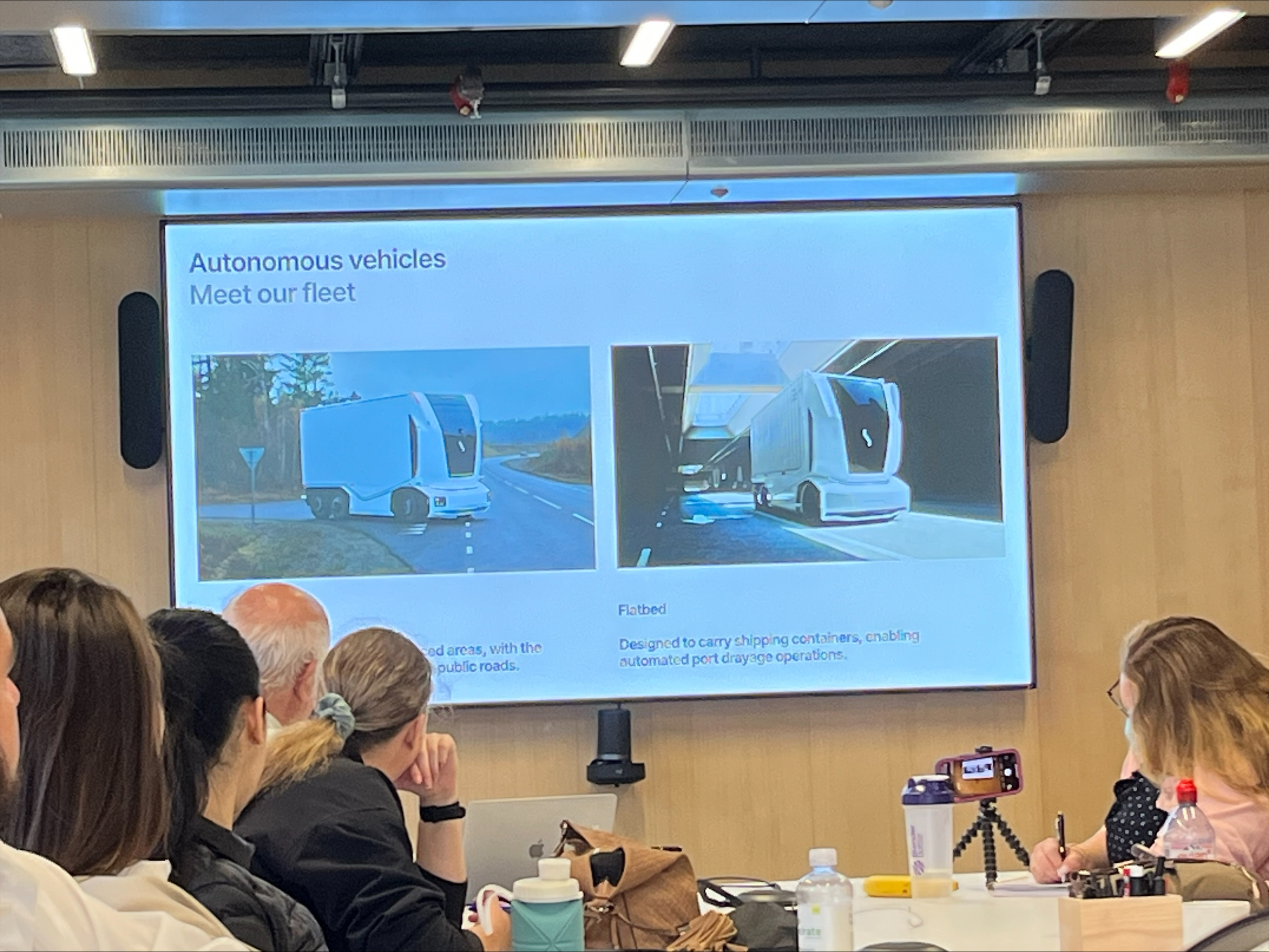
Another stark difference between American and Swedish business culture is the abilities of analytically-driven decision makers. Einride stressed that they could use a more American approach to management because it pushes pace and productivity more than the egalitarian Swedish approach. In fact, they had us participate in a case study to pick our brains about our perspectives on the strengths and weaknesses of their business model. They’re lucky I didn’t charge them my normal advisory fee. This was a fun exercise and helped us understand the different outlooks our cultures have on the same problem.
Ericsson, despite successfully competing in the communications industry since the 1860’s appeared to have some envy for American business processes too. Their team explicitly stated that it becomes frustrating with how slow their management is to make decisions sometimes. Even though this seems to be a recurring theme, it blows my mind that a company operating at such a global scale can struggle with these issues as well. In America, we really like to try things out and learn from our failures. Whereas in Europe, failure has a much more negative stigma attached to it, especially when it comes to entrepreneurial ventures. It’s clear they believe in quality over quantity, which is fine until it becomes a detriment to businesses in hyper-competitive industries and forces them into obsolescence.
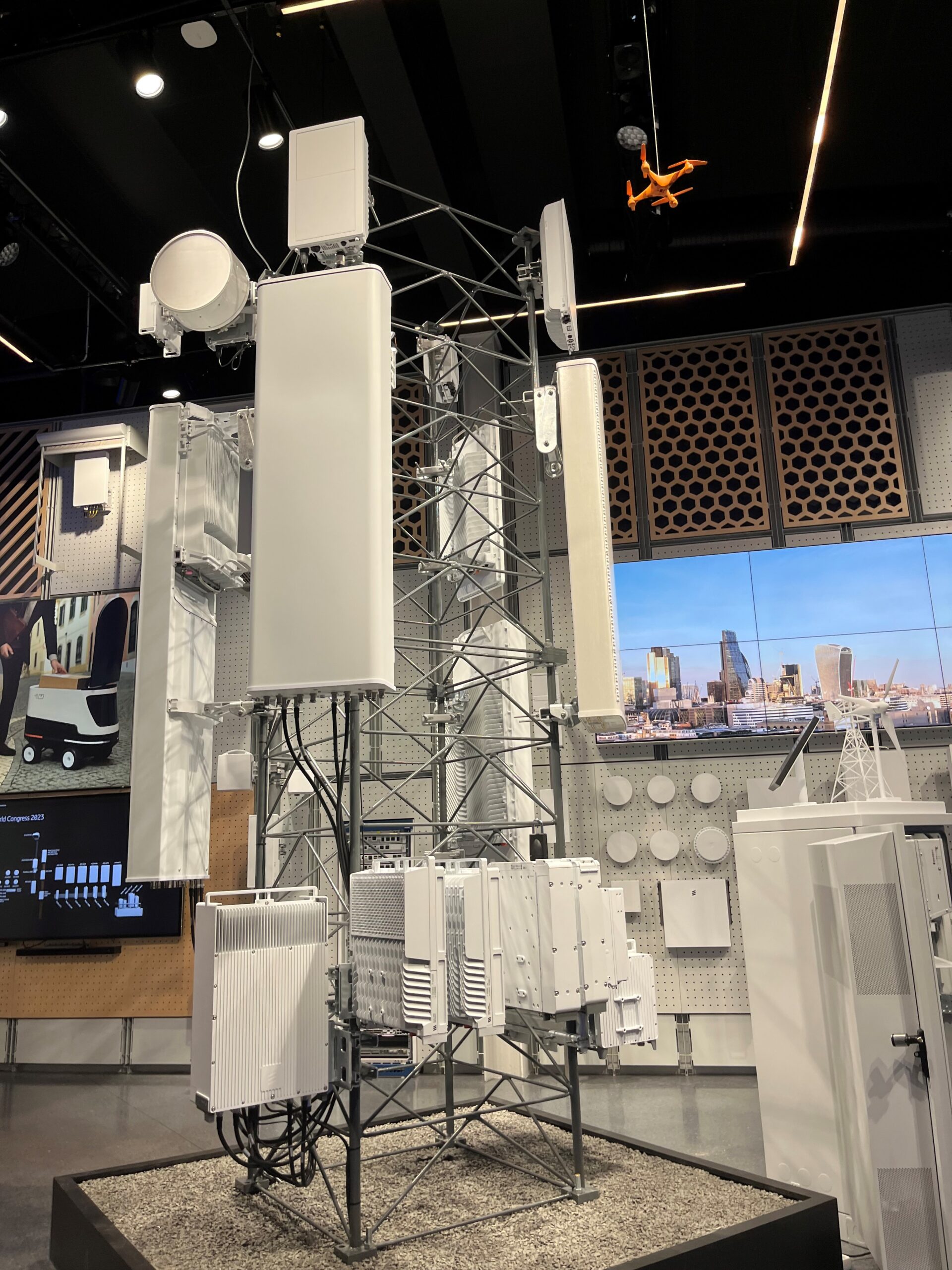
As Ericsson has evolved, the focus of their business has changed many times. Currently, their primary objective is to utilize 5G to centralize cloud computing in business applications. This concept is something that wasn’t even feasible 5 years ago, but Ericcson is at the forefront of accelerating data transfer speeds to make it possible. Some of the demos and technology they showed us were science fiction-esque, and it was for sure an eye-opening visit.
Now we’re off to Copenhagen and very excited to see how Danish businesses and people operate in comparison to our friends in Sweden.
Skol!
Jonathan