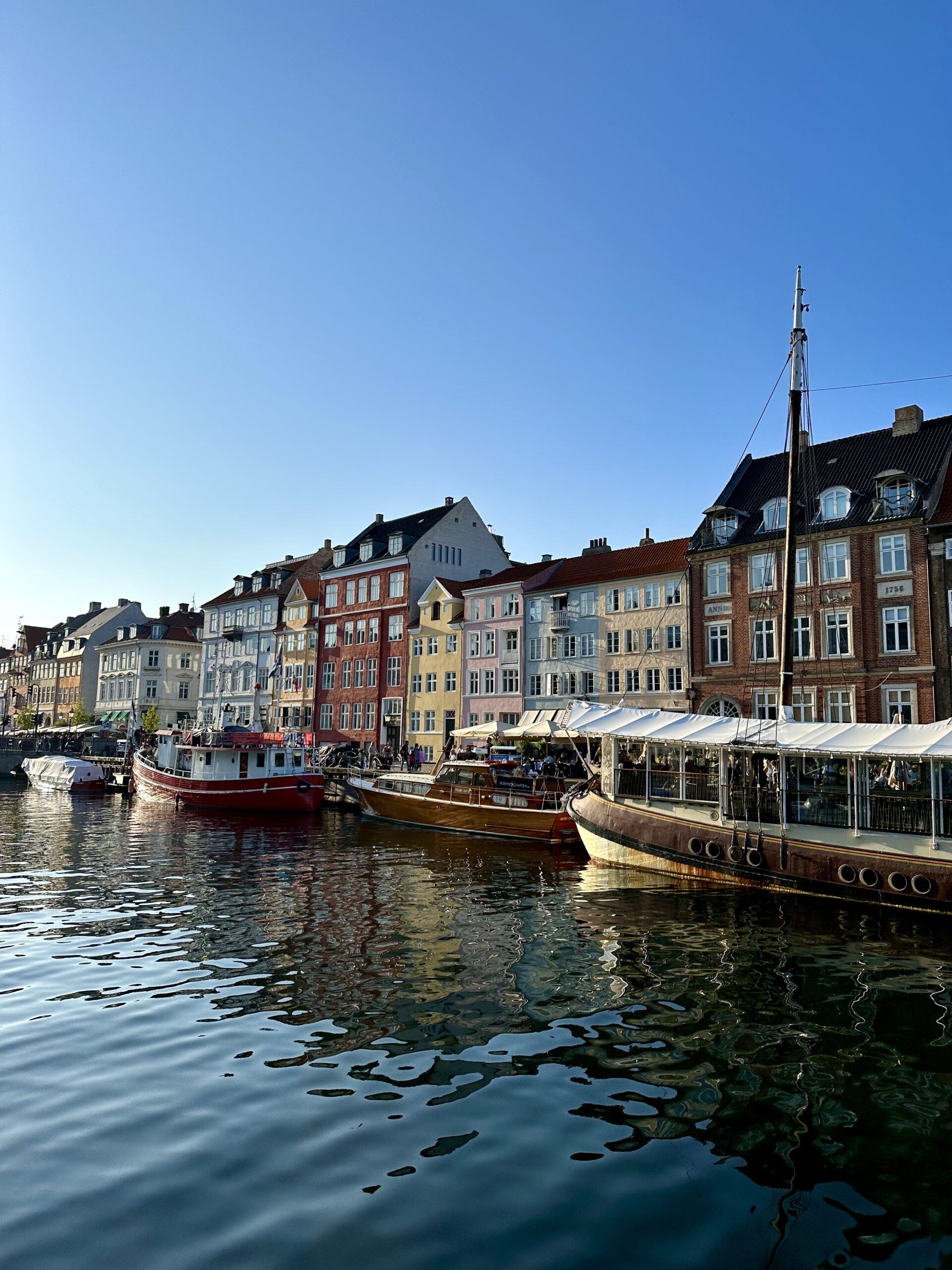
After our exciting few days in Stockholm, our next stop was Copenhagen, Denmark. We were thrilled to experience new Scandinavian country’s culture and city to explore. With a full free day on our hands, we embarked on a series of adventures including stopping by cafes, exploring the town shops, and the Nyhavn Harbor, which is commonly known as The Painted Houses of Denmark.
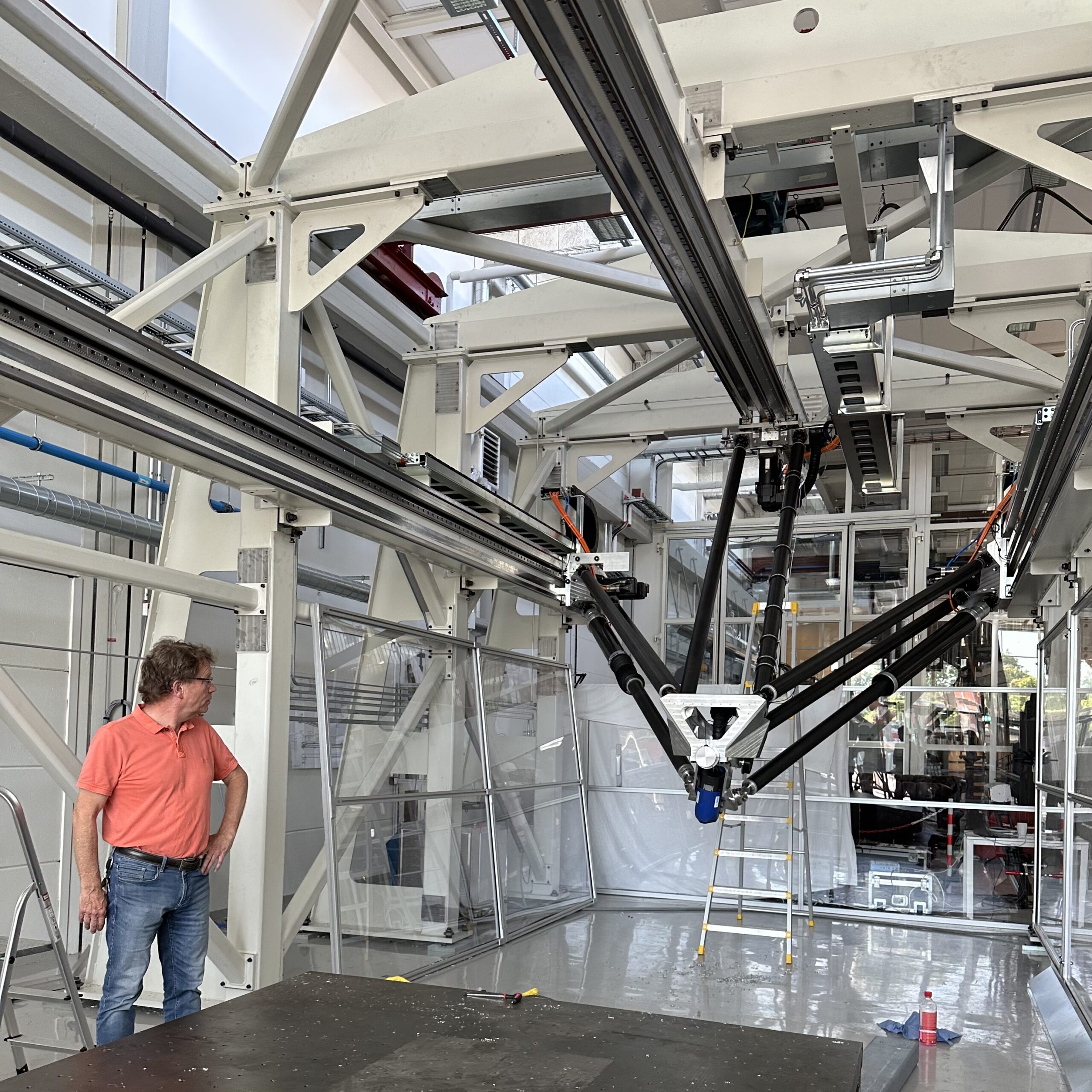
The following day, we embarked on an early morning journey back to Sweden in the city of Malmö, as businesses were closed in Denmark due to a national holiday. Our first business visit took us to Lundt University, where we had the opportunity of meeting with Klass Nilsson, an expert in Robot Control Systems and programming. Nilsson showed us the robotic arm him and his team had been working on that is capable of multidirectional movement thanks to the synchronization of the multiple components. Nilsson also shared about the protection of their creations, discussing the patenting process with the European Patent Office and the pursuit of patents across other international jurisdictions. Our program experiences have taught us the significance of trade secrets and the considerations involved in choosing between maintaining knowledge as a trade secret or pursuing patents. Nilsson noted that while trade secrets are often valuable, in their case, the true trade secrets lie within the programming. Therefore, their primary focus is on developing and refining the programming, with the details not being disclosed in the patent filing.
Additionally, we had the privilege of meeting the founder of GutMagnific, a probiotics company that prides itself on developing its own products. Rather than sourcing probiotics from external laboratories, GutMagnific believes in the power of creating the best probiotics in the market. Their products have shown potential benefits in addressing inflammation, digestive issues, and other health concerns. We had the opportunity to tour their laboratory and interact with a dedicated team of scientists and health-oriented creators, collaborating to share resources and develop products that promote healthier lives.
We spent the rest of the day in Malmö where we strolled through the town, captivated by its charming atmosphere. We witnessed the celebrations of graduating high school seniors, adding to the vibrant ambiance. Visiting a local church allowed us to admire the exquisite architecture, further enriching our cultural experience. Returning to Copenhagen, we continued our exploration of the city and enjoyed a delightful dinner with the rest of the group back in the Nyhavn Harbor. Interacting with each person in the group and our professors has been an enriching experience, fostering personal and professional growth.
The subsequent day, we had the opportunity to visit Scandinavisk, a company dedicated to capturing the essence of Scandinavia through their scents. The collection includes fragrances such as Skog, representing the region’s lush forests and greenery; Hygge, embodying the joy of simple pleasures; and Ro, evoking tranquility. Founded by Shawn, an Englishman who married a Scandinavian woman and relocated to Denmark, Scandinavisk’s scents encapsulate his unique perspective as an outsider discovering the essence of Scandinavia. The company demonstrates a strong commitment to environmental impact and has been classified as a B Corporation since it meets 84 points of criteria necessary to achieve this distinction.
After our visit to Scandinavisk, we embarked on an exploration of Copenhagen, enabling us to gain deeper insights into the distinctions not only between Copenhagen and Stockholm, but also between Sweden and Denmark. Copenhagen exhibited a higher population density compared to Stockholm, characterized by larger congregations of people within the city. When contrasting the two countries, it becomes apparent that Sweden’s larger geographical expanse affords a greater climatic diversity, including the occurrence of days with 24-hour sunlight. Denmark, on the other hand, due to its smaller size, experiences bright days and dark nights, as well as more predictable weather patterns. These disparities between the countries shed light on the distinctive business landscape observed.
The spacious Swedish region facilitates the establishment of large university cities. This in turn fosters the development of research centers, including the one created by Lundt University and the one utilized by GutMagnifique. Denmark’s milder climatic conditions along with higher density population contribute to the creation of tailored experiences for the enjoyment of the consumers, exemplified by the production and sale of candles and scents by enterprises like Scandinavisk. By comprehending the variations between Sweden and Denmark, we were able to gain a comprehensive understanding of the rationale behind the divergent business models present in these countries.