Is Skellefteå becoming the Silicon Valley of Sweden? According to the Science City, Skellefteå is expected to grow by 20% over the next seven years. Currently, Skellefteå has invested the most in per habitant and the most per capita to grow the northern Sweden region. Through this growth, Sweden still sticks to the 17 SDGs, which is very different from USA business and growth initiatives. We will discuss the differences in business operations and culture in Scandinavia versus the United States throughout our blog posts.
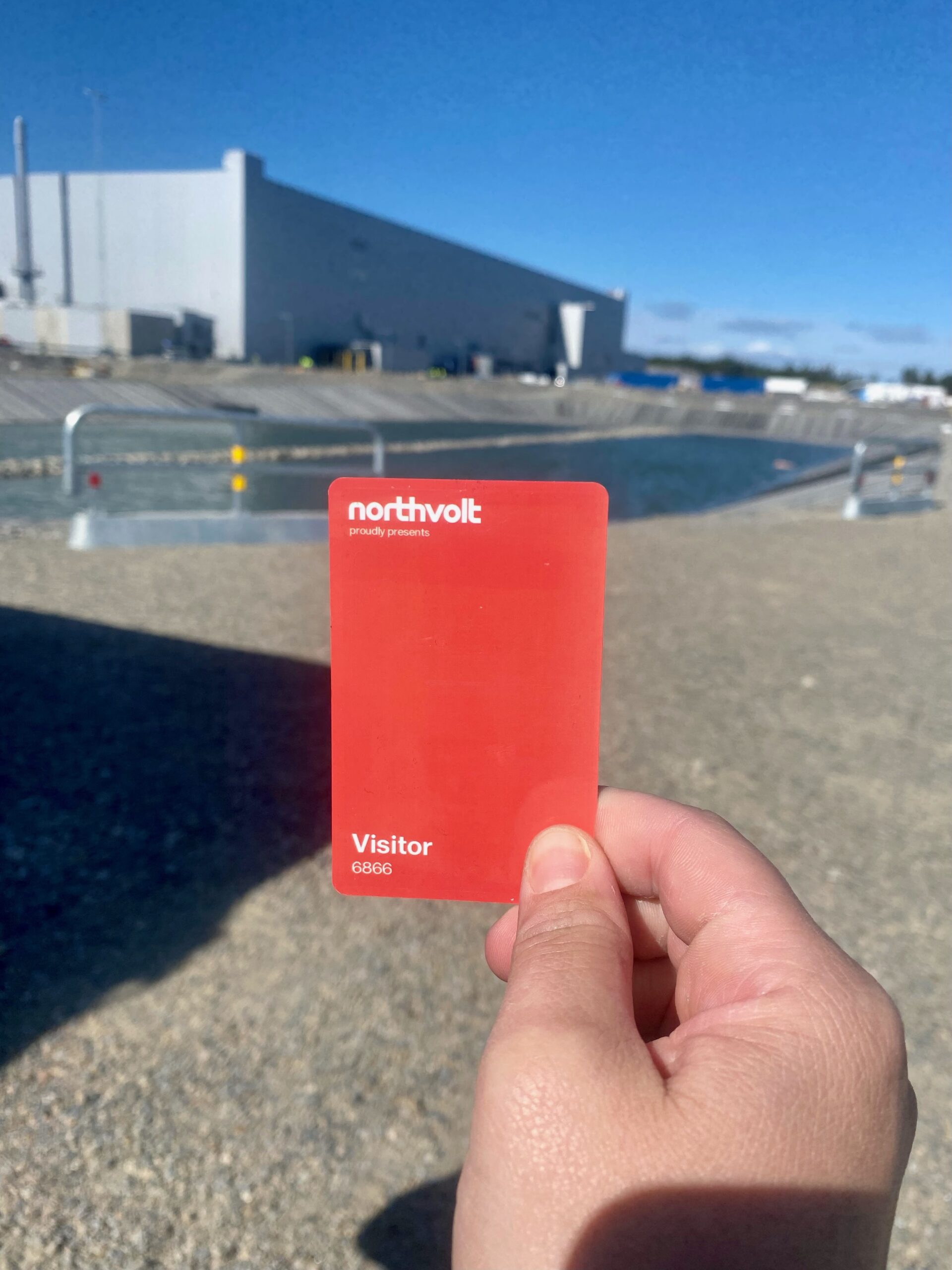
Our visit to Northvolt is where we learned about their mission to create the greenest battery by slashing carbon footprint. We found it interesting that pick a city like Skellefteå, which seems to be a quiet city that has a declining population. They choose Skellefteå due to the opportunity to acquire a large piece of land, availability of transportation, long history of mining production, active interest from the public municipality, and proximity to sustainable energy sources. After hearing this, it makes sense why they chose this area and why Skellefteå wanted a business like this nearby. You can’t create the greenest battery by using fossil fuels to power it. “Northvolt’s battery will do for the electricity industry, what a refrigerator did for the food industry,” said Communications Manager Sanna Bäckström. We learned that it is difficult to find a place that has access to mining resources that Chinese companies don’t control.
If Northvolt had been found in the United States, it likely would have failed. They were already seen as ambitious and unreasonable for wanting to build a Gigafactory in Sweden during their founding year of 2016. Even today, the United States doesn’t put as big of an emphasis on sustainability as most of Europe does. It would be difficult for a company like this to take on the costliness of United States pricing and the fact that American communities would have taken more convincing to bring it to a nearby city. The Skellefteå community wanted this sustainable company to help put it on the map.
We also met with Jakob Nylund, one of the partners and Creative Director at North Kingdom. He spoke about their expansion to Venice, California, which lasted only 5 to 6 years. Due to the difference between the business culture of Sweden and the United States, their Venice branch closed. Besides the time difference making communication between offices difficult, North Kingdom faced the competitive nature and pricing of the United States. Within a 50 miles radius, there are many other companies competing for the same clients causing the Sweden team mentality and easy-going culture to fall short. In the United States, we have a work hard, play hard mentality that encourages employees to work over 40 hours a week to ensure that they see positive results. In Sweden, they encourage more of a work-life balance where employees are expected not to work over 40 hours a week. This difference made it difficult to sustain their competitive advantage in the United States. Because of all these reasons, North Kingdom had to close operations in Venice, CA.
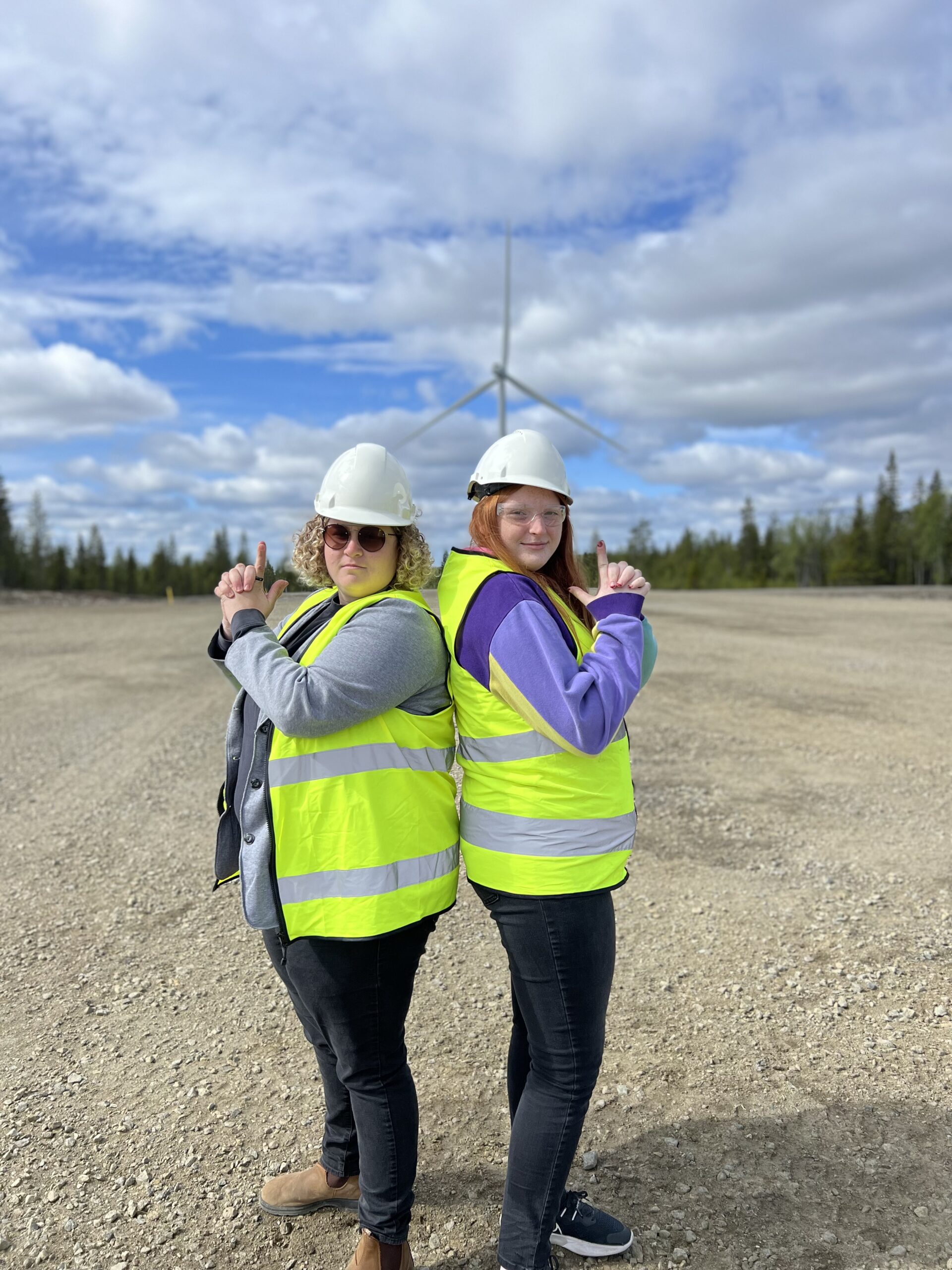
Sweden’s electrical grid is powered by 1/3 wind, a little more than 1/3 water, and a little less than 1/3 nuclear. We had the opportunity to visit the largest onshore wind farm in Europe, managed and maintained by W3 Energy. One of their turbines in one day can produce enough energy to supply electricity to 7 households for a whole year. We enjoyed our time here, touring section 3a wind turbines!
See you later, Skellefteå, Welcome Stockholm!